Traditional Spey Fly Line: A Comprehensive Guide to Classic Spey Casting for Salmon
The art of Spey casting has captivated fly fishers for generations, particularly when pursuing salmon in beloved fishing waters. Choosing the right Spey fly line, such as the classic 444 Peach, can dramatically enhance your casting experience and success. Traditional and long belly lines are designed for smooth power transfer, making them ideal for long-distance casts with two-handed rods.
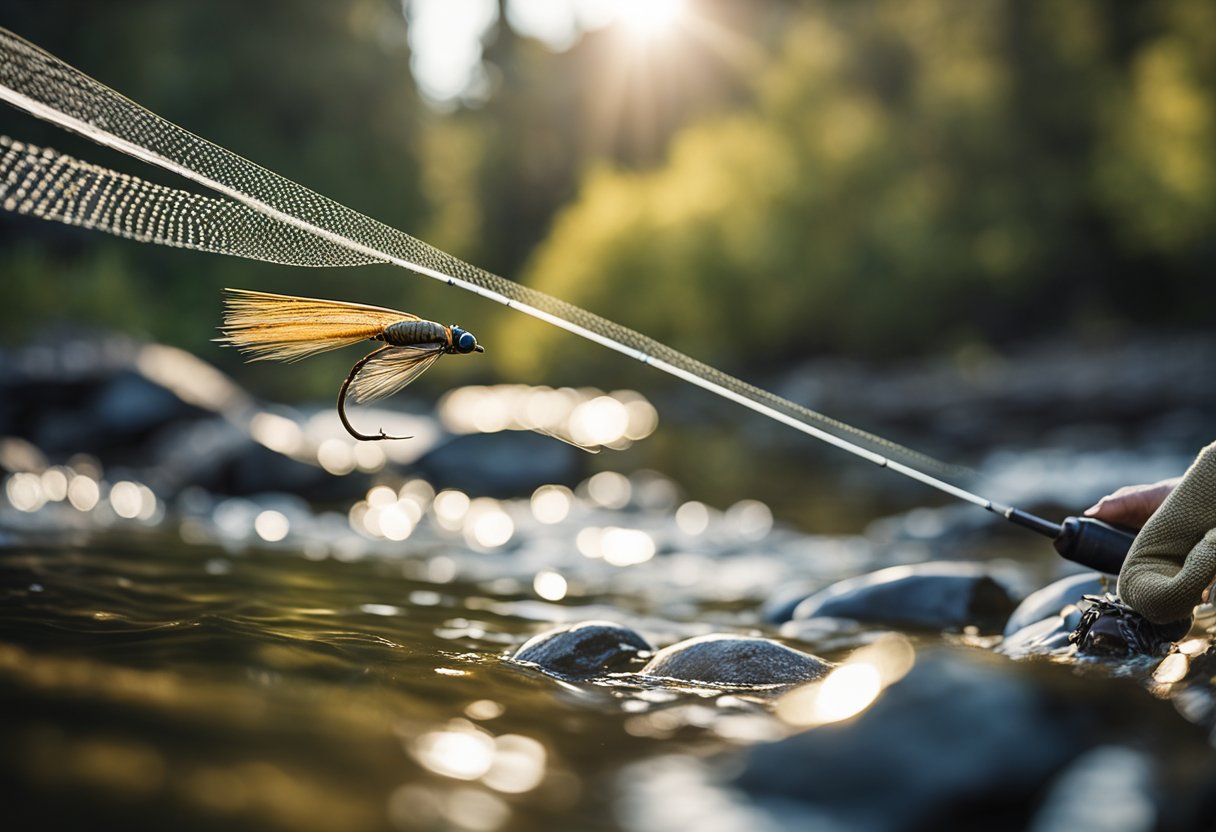
In my experience, the traditional Spey fly line offers a blend of history and functionality that few modern options can match. It provides the right balance of weight and length, allowing for effortless loops and control, especially when working with classic Spey rods. By mastering these techniques and understanding line selection, I’ve found that I can cover more water and improve my chances with salmon.
Whether you are a seasoned enthusiast or new to the world of Spey casting, exploring these lines can open up new possibilities on the river. The nuances of fly line selection are essential in adapting to various conditions, and each type serves its unique purpose in enhancing your fly fishing journey.
Fundamentals of Spey Fly Lines
In this section, I will explore the essential concepts surrounding Spey fly lines. Key aspects include understanding the casting technique, the components that make up the lines, and the process of selecting the most suitable line for my fly fishing needs.
Understanding Spey Casting
Spey casting is a two-handed technique primarily used for fishing in rivers with a strong current. It allows for efficient line manipulation and accurate delivery of flies without the need for backcasting. The ability to make longer casts with minimal room behind me is one aspect that I find particularly advantageous.
The common types of Spey casts include the single Spey, double Spey, and snap T. Each has its specific applications and benefits based on the conditions faced on the water. I focus on maintaining line control and mending effectively to ensure my fly moves naturally in the current.
Components of Spey Lines
Spey fly lines typically consist of several essential components. The running line forms the back end, allowing for smooth casting and retrieval. The front taper is crucial for how the line presents the fly, aiding in delicate presentations. A welded loop at the end of the line simplifies leader attachment.
In terms of weight, these lines are often classified by their grain weight, which directly affects casting performance. Many lines are designed for freshwater use specifically, ensuring optimal flotation and sink rates suitable for various species, like salmon. The taper—whether weight forward (WF) or versatile taper—also influences how the line travels through the air and water.
Selecting the Right Spey Line
When choosing a Spey fly line, I consider the type of fishing I will do and the conditions I will face. The right line weight is critical and should correspond to the rod's specifications for optimal performance. For two-handed rods, matching the line's grain weight to the rod's recommendations ensures smooth casts.
The environment, including the size and flow of the river, also plays a role in my selection. A line suitable for fast water may differ significantly from one used in slow or still sections. Lastly, I always evaluate my personal casting style; some lines perform better for particular techniques or styles, impacting my overall experience.
Specifics of Spey Line Varieties

When exploring Spey line varieties, I focus on three primary types: Traditional Spey fly line, Classic Spey casting fly line, and Long belly Spey line characteristics. Each type has unique features that cater to various casting techniques and fishing conditions.
Traditional Spey Fly Line
The Traditional Spey fly line is designed specifically for Spey casting techniques. I appreciate its tapered design, which optimizes line control and accuracy. These lines typically use a braided nylon multifilament core, enhancing durability and performance.
The high floating coating aids in preventing sinkage, crucial for maintaining effectiveness on the water. This line's single-tone peach color improves visibility without spooking fish. It’s ideally suited for moderate action rods, allowing for a seamless casting experience while presenting flies to salmon and other species.
Classic Spey Casting Fly Line
The Classic Spey casting fly line features a double taper that enhances casting capabilities and roll casts. I find the Classic 444 Peach series particularly effective due to its proven performance.
This line balances light line performance with robust construction, ideal for varied fishing conditions. The combination of flexibility and strength allows for longer presentations and smoother casts. The line's design also aids in line management, making it easier to recover after casts. Its smooth finish reduces drag on the water, improving overall efficiency during use.
Long Belly Spey Line Characteristics
Long belly Spey lines stand out for their extended body, enabling powerful roll casts and extended casts. I appreciate the increased line control these lines provide, which is vital when targeting distant runs or tricky currents.
These lines typically have a more pronounced front taper, facilitating effortless turnover. Their design supports a range of fly presentations, making them versatile for various salmon fishing scenarios. Additionally, the longer profile promotes a more gradual casting arc, resulting in improved accuracy and distance.
Targeted Applications of Spey Lines
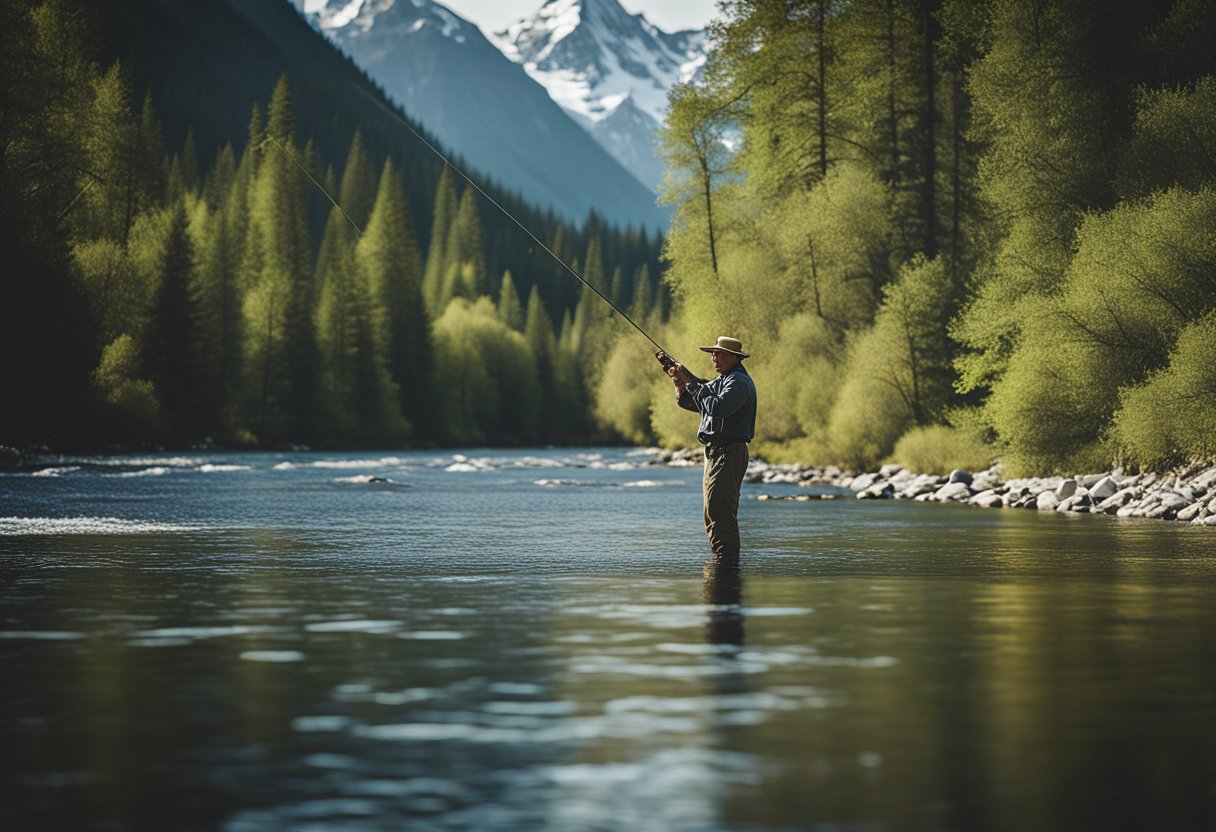
Spey lines have specific applications that enhance the effectiveness of fishing across various environments. Their design allows for precision and adaptability, making them suitable for targeting different species in diverse waters.
Spey Fly Line for Salmon Fishing
When targeting salmon, I find that a specialized Spey fly line is crucial. These lines are typically longer, featuring a substantial front taper that facilitates smooth, long-distance casting. This design enables me to present my flies effectively in larger rivers where salmon thrive.
Using the right Spey line allows me to achieve a perfect drift, which is vital when fishing for salmon. The line's weight distributes evenly, helping to control the fly's movement in the water. I often pair it with a suitable leader to enhance my presentation and increase the chances of a successful catch.
Versatility in Fly Fishing
Spey lines are not limited to salmon fishing; they offer versatility across various freshwater species. I use these lines in many situations, whether I’m on tranquil lakes or flowing rivers. Their ability to handle different types of flies, including dry flies and streamers, allows me to adapt my approach based on conditions.
For instance, when targeting trout, I often select a line that has a versatile taper. This helps me manage my casts in windier conditions or tight spaces. Additionally, using a Scandi head can offer excellent line control, which is beneficial when presenting my flies to wary fish.
Adapting to Environmental Factors
Environmental factors play a significant role in my choice of Spey lines. I consider water temperature, flow rate, and the specific species I aim to catch. For example, in moderate climates where water levels fluctuate, I may adjust my line weight to match the prevailing conditions.
Fishing in freshwater streams or lakes often requires me to switch between different line styles. Each style, from traditional Spey to more specialized modern variations, has unique advantages. I also pay attention to the materials, such as carbon fiber options, to ensure durability and performance.
My approach is always influenced by the surrounding environment, allowing me to maximize my fishing success.