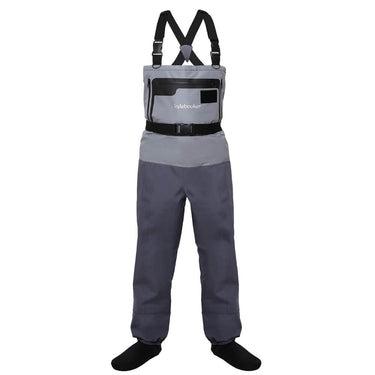
Waders: A Comprehensive Guide to the Best Fishing Options and Types
When it comes to fishing gear, choosing the right waders is crucial for a successful outdoor adventure. The best fishing waders provide comfort, durability, and waterproof protection, making it easier for me to navigate various aquatic environments. With so many options available, understanding the differences in types is essential for maximizing my experience.
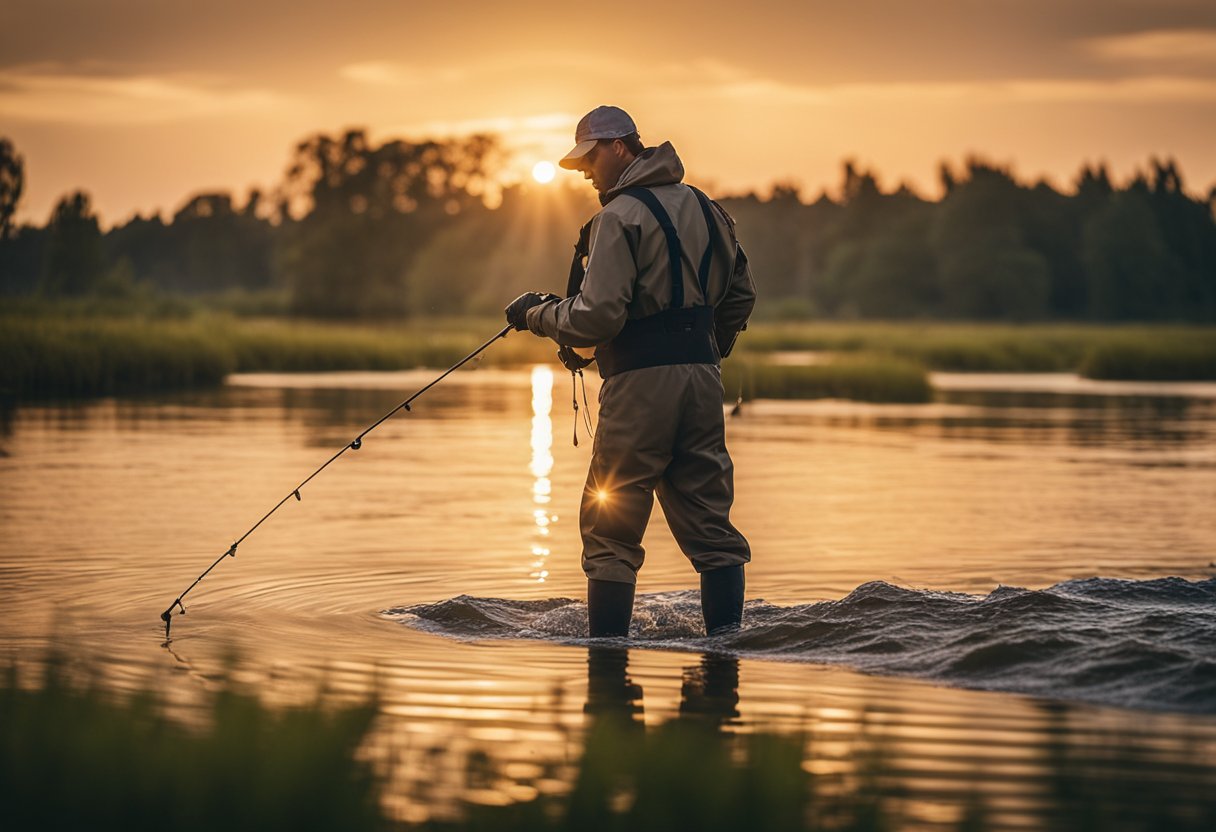
In my experience, chest waders and hip waders each have their specific advantages. Chest waders offer more coverage, allowing me to wade deeper into rivers or lakes, while hip waders are typically lighter and easier to put on, ideal for shallower waters. Knowing which type suits my fishing style is key to making an informed decision.
Waterproof waders are a non-negotiable aspect of my fishing adventures. The right pair keeps me dry and comfortable, letting me focus on the catch rather than worrying about the weather or water conditions. Investing in quality waders ensures I’m prepared for whatever the day brings.
Types of Waders
When selecting waders, I consider the material and design that best suit my fishing needs. Different types of waders offer unique benefits depending on the fishing conditions, whether in cold water or warm weather. Here, I discuss three primary types: neoprene, breathable, and PVC waders.
Neoprene Waders
Neoprene waders are constructed from thick rubber material that provides excellent insulation. I often choose these for cold weather fishing, as the material retains body heat effectively.
These waders come in both hip and chest designs, accommodating various fishing styles. I appreciate the durability of neoprene, which resists punctures and abrasions during rugged outings.
However, they can be less comfortable in warm weather due to limited breathability. This makes it essential to choose the right thickness—typically ranging from 3mm to 5mm—for my specific fishing conditions.
Breathable Waders
Breathable waders feature lightweight, waterproof materials that offer exceptional comfort and ventilation. I prefer these for warm weather fishing, as they help regulate body temperature while providing protection from water.
These waders usually come in two styles: stockingfoot and bootfoot. Stockingfoot waders allow me to pair them with my wading boots, offering a custom fit.
Breathable options tend to have a range of features like reinforced knees and adjustable straps, enhancing my overall fishing experience. Their versatility makes them suitable for various fishing environments, especially those with fluctuating temperatures.
PVC Waders
PVC waders are made from a synthetic plastic material known for its affordability and waterproof capabilities. I often use these for casual fishing trips or beginners, as they provide decent protection without a significant financial investment.
These waders can come in both hip and chest styles. They offer a variety of options for different fishing activities.
While PVC waders are durable and easy to clean, they lack the insulation of neoprene and the breathability of breathable models. This makes them less ideal for extreme weather conditions, but they serve well in milder environments.
Choosing the Right Waders
Selecting the appropriate waders is crucial for enhancing my fishing experience. This decision revolves around the type of waders best suited for my fishing activities and understanding the importance of wading boots.
Chest Waders Versus Hip Waders
Chest waders provide full coverage from the feet to the chest, making them ideal for deeper waters. They offer superior warmth and protection, which is essential when fly fishing or when water levels are unpredictable. Comfort is a priority, so I look for options with adjustable straps and breathable materials.
On the other hand, hip waders are better for shallow waters and shorter fishing sessions. They are generally lighter and easier to put on and take off. I appreciate that hip waders allow for greater mobility during hiking, but they may not keep me as warm in colder conditions. It’s vital to consider the water depth and the fishing style when I choose between these two types.
Wading Boots and Their Soles
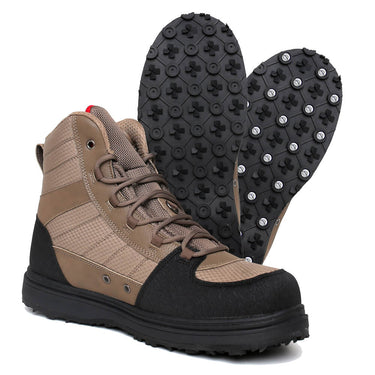
Wading boots are essential companions to my waders, providing traction and stability. I focus on materials that offer durability and water resistance. Rubber boots are a common choice, as they work well in various environments and provide solid protection.
The soles of wading boots also play a critical role. Felt soles offer excellent grip on slippery surfaces, while rubber soles are more versatile, suitable for rocky terrain. I often look for boots with gravel guards to prevent debris from entering my waders. This attention to detail significantly enhances comfort and extends the lifespan of my gear.
Maintaining and Caring for Waders
Maintaining waders extends their lifespan and ensures optimal performance. Here are key steps I follow:
-
Cleaning: After each use, I rinse my waders with freshwater. This helps remove dirt, salt, and fish slime.
-
Drying: I hang waders upside down to dry. This prevents water from pooling and helps avoid mildew.
-
Storage: I store my waders in a cool, dry place, avoiding direct sunlight. This protects the material from UV damage.
-
Inspections: Regularly, I check for punctures or tears. Quick repairs keep them waterproof and functional.
-
Conditioning: For neoprene waders, I apply a conditioner periodically. This maintains elasticity and prevents cracking.
-
Breathable Waders: I ensure the fabric remains breathable. I avoid using harsh detergents that can affect the material.
-
Zippers and Seams: I inspect zippers and seams for wear. Using a zipper lubricant can improve function and longevity.
Proper care enhances the durability of my waders while maintaining their performance on the water.