Fly Line: Essential Guide to Choosing and Using Running Lines for Fly Fishing
Choosing the right running line for fly fishing can significantly enhance your overall experience on the water. A well-selected running line directly affects your casting accuracy and the ability to present your flies effectively. Whether you are targeting trout in streams or casting to saltwater species, understanding the nuances of running lines is crucial.
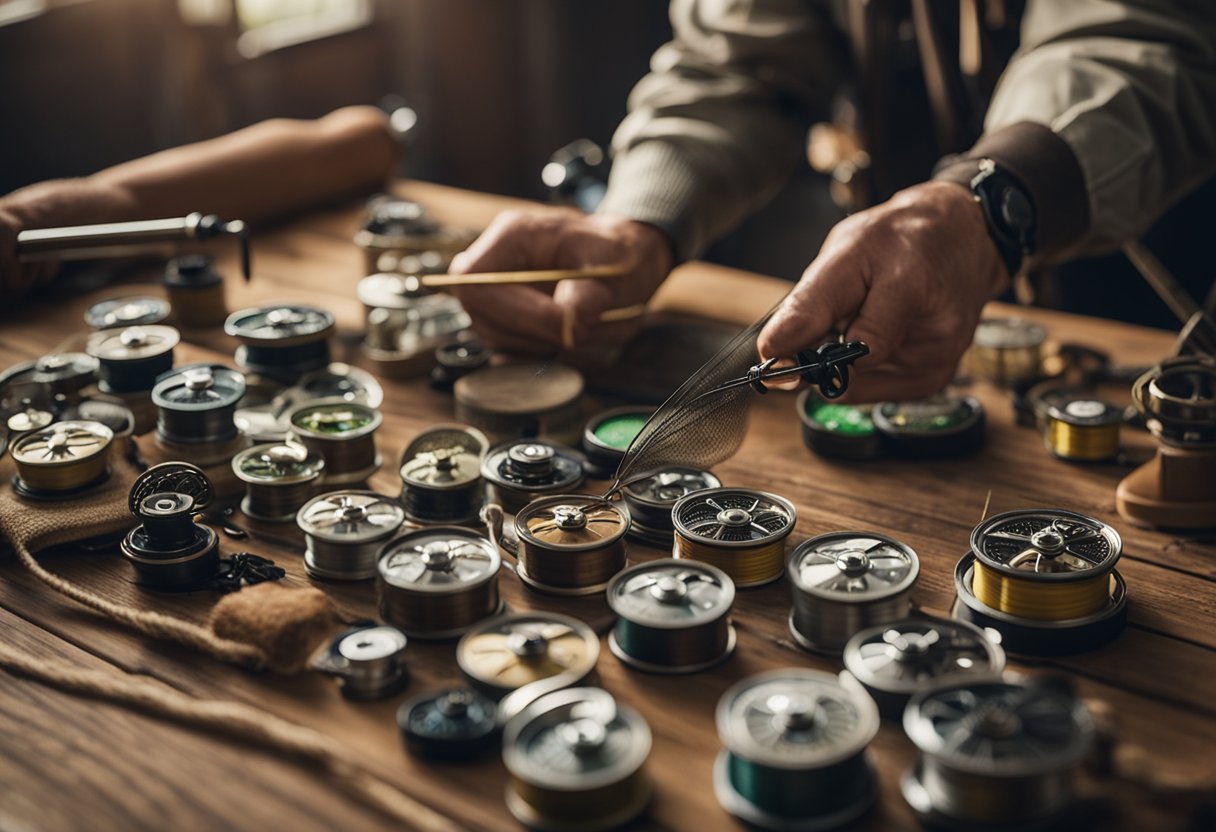
In my experience, configuring a fly fishing setup that includes an appropriate running line is essential. The right combination of fly rod and fly reel, along with the correct line weight, can make a noticeable difference in your performance. I will share insights on the best running line setups to suit various fishing conditions.
Casting techniques specifically tailored to running lines can elevate your skills as an angler. I’ll provide practical tips that focus on improving your casting distance and control, ensuring that each cast lands where you intend. With the right knowledge, you can maximize your success and enjoyment while fly fishing.
Understanding Fly Lines
Fly lines play a crucial role in the effectiveness of your fly fishing. Familiarizing myself with their construction, profiles, and weights helps ensure I select the right line for various fishing situations.
Basics of Fly Line Construction
Fly lines are typically made of a core surrounded by a coating. The core often consists of materials like nylon or braided Dacron, which provide strength and flexibility. The outer layer is usually PVC or polyurethane, offering durability and the ability to float or sink as needed.
Key components include:
- Head: The front section that casts the fly.
- Belly: The thickest part that helps load the rod.
- Rear Taper: Gradually reduces the line diameter for smoother casts.
- Front Taper: Aids in presentation, especially at close range.
Choosing between floating lines, sinking lines, or a shooting line depends on the fishing technique and water conditions.
Fly Line Profiles and Tapers
The profile and taper of a fly line dictate how it casts and behaves in the water. There are various styles, such as:
- Weight Forward (WF): Heavier in the front, ideal for casting long distances or in windy conditions.
- Double Taper (DT): Evenly weighted, suited for delicate presentations and roll casts.
Fly line tapers influence:
- Casting distance
- Accuracy
- Presentation
Understanding these characteristics helps me select the most suitable line for specific fishing scenarios.
Determining Line Weights and AFTMA Standards
Fly line weights are standardized by the American Fishing Tackle Manufacturers Association (AFTMA). The AFTMA system ranges from 1 to 16, with lower numbers indicating lighter lines.
Selecting the right line weight involves:
- Matching with the rod: Each rod is designed for a specific weight range.
- Water conditions: Heavier lines work better in windy environments or for larger flies.
Using the correct line weight enhances casting efficiency and improves control while fishing. Always refer to the manufacturer’s specifications to ensure compatibility.
Fly Line Selection for Effective Fly Fishing
Choosing the right fly line is crucial for achieving success on the water. I focus on matching the line type and weight to my rod and the fishing conditions, enhancing my overall effectiveness while casting and presenting flies.
Choosing the Right Fly Line for Your Rod
When selecting a fly line, I consider the weight rating of my fly rod. Most rods indicate a specific line weight range, which usually corresponds to a number (e.g., 5-weight, 8-weight).
Types of Fly Lines:
- Weight Forward (WF): Best for casting longer distances and turning over heavier flies.
- Double Taper (DT): Ideal for delicate presentations; it allows for more finesse while casting.
I also evaluate the head length. For example, T-14 or T-8 heads are designed for specific applications, such as sinking lines for deeper waters. A properly matched line enhances my ability to manage tangles and ensures smooth mending and swinging flies.
Importance of Matching Line to Fishing Conditions
Fishing conditions dictate the choice of line. For still water or slow-moving systems, I often prefer a floating line, enabling me to keep my flies just beneath the surface.
In contrast, when targeting deeper areas or fast currents, I opt for sinking lines. These lines help my flies reach the desired depth quickly. Weather conditions and water clarity also play a role.
For example, clear waters may require lighter, more subtle presentations. I adjust my fly choice and line accordingly, ensuring I remain adaptable to the conditions. This approach maximizes my chances of success while fly fishing, allowing me to effectively target various species.
Advanced Fly Line Components
In fly fishing, understanding advanced line components can enhance performance. My focus here will be on the differences between running lines and shooting lines, along with insights into selecting and maintaining the best options for your needs.
Running Lines and Shooting Lines
Running lines are crucial for maintaining tight lines while casting. They provide the backbone for your setup by connecting to the backing and the fly line itself. My preferred choice for running lines often includes mono running lines because of their low stretch and sensitivity.
Shooting lines, on the other hand, are specifically designed for distance casting. They are often thinner and smoother, allowing for faster line speed and easier shooting during casts. I tend to use products like the RIO SlickShooter, which offers excellent performance in various conditions.
Choosing the right line profile, like a heavier shooting head or a T-14 head, can significantly impact sink rate and presentation. It's important to match these components based on the fishing situation I encounter.
Selecting and Maintaining a Running Line
When selecting a running line, consider factors such as water conditions, target species, and casting distance. For instance, using a floating running line could be ideal for surface presentations, while a sinking option works better in deeper waters.
Maintaining your running line is equally important. I always ensure that my lines stay clean and inspect them for wear. Regular cleaning regime helps maintain performance, prevents tangles, and extends line life. Utilizing line dressing can also assist in reducing friction, particularly when shooting lines.
By focusing on these details, I elevate my overall performance and experience in fly fishing.
Casting Techniques and Tips
Casting a fly line effectively requires attention to technique and an understanding of how to manage the various components of the cast. Focusing on your casting stroke and line speed can significantly impact your success on the water.
Optimizing Your Casting Stroke
To achieve an effective casting stroke, I prioritize using a smooth, rhythmic motion. This ensures that I generate enough line speed without sacrificing accuracy. I usually start with a slight pause in the back cast, allowing the line to load the rod. This loading is critical, especially when I'm using double taper (DT) lines, as they help maintain tight loops.
When making my forward cast, I focus on a sudden stop at the end of the stroke. A crisp finish helps to prevent tangles and enhances distance casting. I pay close attention to the position of the rod tip, keeping it aligned with the target. This alignment helps me maintain control and accuracy with my fly placement.
Troubleshooting Common Casting Issues
Common issues I encounter include tangles and loss of line speed. If I notice frequent tangles, I evaluate my casting stroke. A too-quick motion can create slack in the line, leading to knots. I also ensure that I’m not overloading my fly rod, as this affects sensitivity and distance.
If I struggle with line speed, I often check my grip and wrist action. A tight grip can restrict movement, so I relax my hold, allowing for a fluid casting motion. I aim to keep my line taut at all times, which is vital for achieving tight lines and maintaining control over the fly. By addressing these issues, I improve my casting technique and enhance my overall fly fishing experience.