Waders: A Comprehensive Guide to the Best Fishing Options for Every Angler
Fishing waders are essential gear for any angler looking to enhance their fishing experience. Choosing the right type of waders can make a significant difference in comfort, mobility, and ultimately, success on the water. I have found that understanding the different styles, such as chest waders and hip waders, helps me determine the best fit for various fishing conditions.
Chest waders are ideal for deeper water or colder conditions, providing insulation and full mobility. On the other hand, hip waders are perfect for shallower streams and warm weather, allowing for easy movement. By assessing your specific fishing needs, you can select the best fishing waders that will keep you dry and comfortable while reeling in your next catch.
Understanding Waders
Waders are essential for various fishing experiences, providing protection and comfort while wading through water. Knowing the different types and how to select the right fit can enhance my fishing trips significantly.
Types of Waders
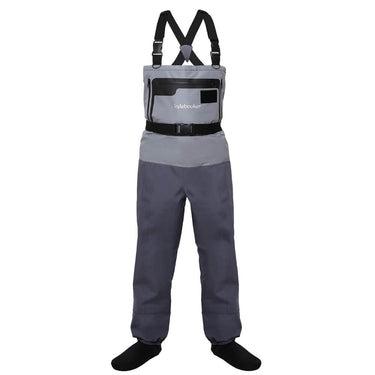
There are several types of waders, each suited for specific conditions. Chest waders extend to my chest and are ideal for deeper waters. They provide ample protection and are often made from materials like neoprene or breathable fabric. Hip waders come up to my thighs and are suitable for shallow streams, offering excellent mobility.
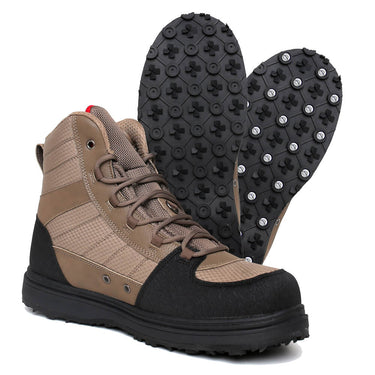
Stockingfoot waders require separate boots and are versatile, allowing me to choose the most comfortable footwear. Waders are also categorized by material. Neoprene waders provide insulation in colder waters, while breathable waders are designed for warmer conditions, allowing moisture to escape while preventing water entry. PVC waders are often less expensive and durable but can lack comfort in warmer weather.
Selecting the Right Size and Fit
When selecting waders, fit is crucial for comfort and effectiveness. I should measure my body size accurately, considering chest, waist, and inseam measurements. Waders come in a range of sizes, including small, large, XL, and XXL, which cater to different body types.
It's important to consider if I will wear layers underneath. A snug fit is essential to avoid water entry, but waders should not restrict movement. I must also check if the brand offers a size chart, as sizing can vary between manufacturers. Proper fitting waders enhance my mobility and enjoyment on the water.
Features and Functionality
In this section, I will discuss key aspects of waders, focusing on material, comfort, and waterproofing. Understanding these features helps in selecting the best fishing waders for various conditions.
Material and Durability
The material of waders significantly impacts their durability and performance. Common materials include neoprene and breathable fabrics.
- Neoprene: Known for insulation, it is ideal for cold water fishing but can be less breathable.
- Breathable fabrics: These are lightweight and suitable for warmer conditions, allowing moisture to escape while keeping water out.
The durability of materials like nylon or polyester contributes to their lifespan, resisting wear and tear from rocks or other obstacles. I prioritize waders with reinforced knees and seams for added strength, especially during rugged use.
Comfort and Insulation
Comfort is critical in fishing waders, especially during long hours on the water. Well-designed waders offer features such as adjustable straps and internal padding to enhance fit.
Insulation plays a key role, particularly in cold weather. Insulated waders provide warmth while minimizing bulk. I find that a good balance between insulation and breathability is essential to maintain comfort.
Additionally, lightweight designs reduce fatigue. I recommend trying different styles—chest waders and hip waders—to see which offers better mobility for your fishing environment.
Waterproofing and Design
Effective waterproofing is non-negotiable in quality waders. Most high-quality waders use specialized coatings to stay dry in wet conditions.
The design of waders affects how well they perform. Features such as taped seams and adjustable cuffs enhance waterproofing. I also look for pockets that are strategically placed and easy to access without compromising waterproof integrity.
The color and style may also play a role in camouflage, helping to avoid scaring fish while enhancing your overall experience. Robust construction combined with thoughtful design ensures they remain functional regardless of conditions.
Fishing Waders in Practice
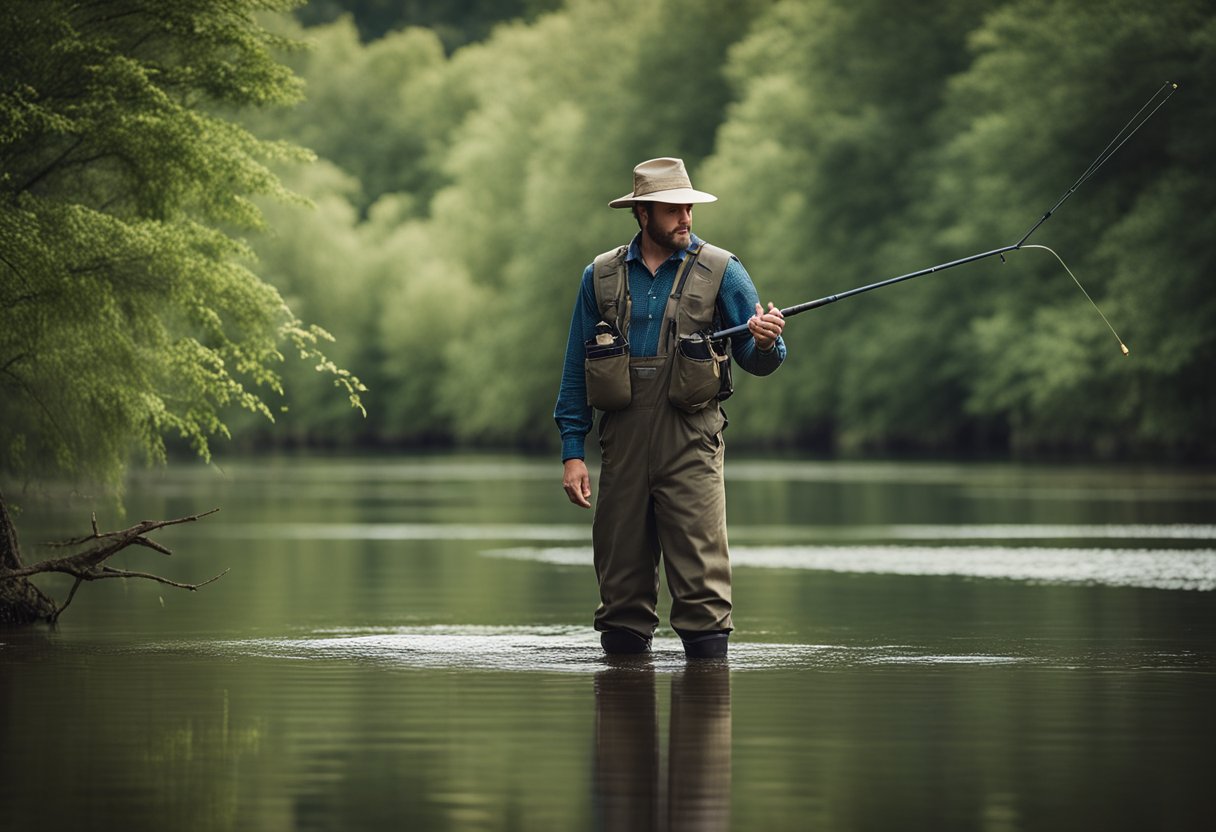
Fishing waders significantly enhance the fishing experience, providing both comfort and mobility. Understanding how to effectively use them in different environments is crucial for success.
Utilizing Waders in Various Fishing Spots
When choosing a fishing spot, the type of waders I wear can make a difference. For shallow streams, hip waders allow for easy movement while providing protection. Chest waders are ideal for deeper waters, letting me wade into the currents without concern.
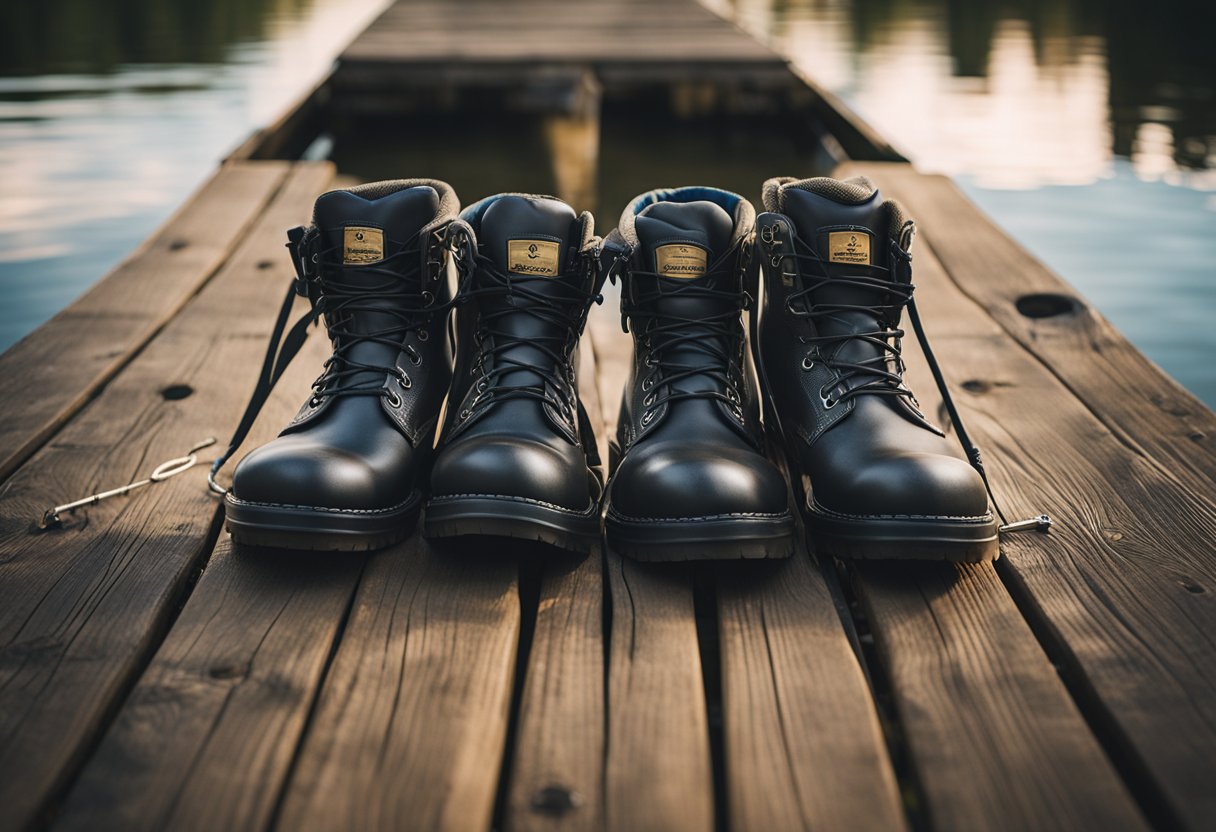
In environments like lakes or rivers, I prefer durable waders that withstand challenging conditions. Areas with rocky or uneven bottoms require waders with good traction. In these situations, pairing waders with quality wading boots is essential to prevent slips and ensure my safety.
Waders and Associated Gear
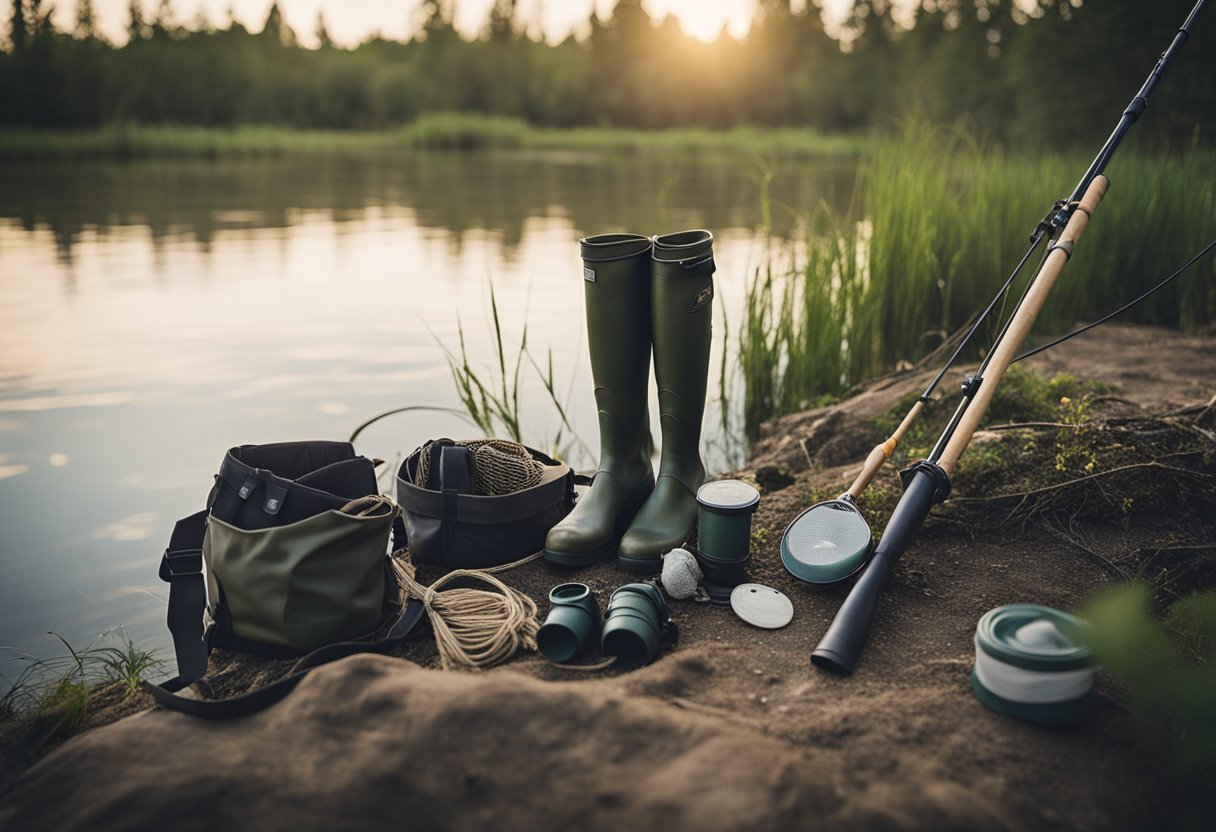
Selecting the right fishing gear to pair with my waders enhances my angling efficiency. A comfortable fishing vest can carry essential tools and tackle, making them easily accessible. Additionally, using a fishing belt helps secure gear and keeps everything organized.
I also prioritize lightweight accessories when wading. For instance, a waterproof phone case is vital for keeping my device safe while I capture moments or check navigation. By combining waders with practical gear, I reduce the inconvenience of shifting between setups, allowing me to focus on my fishing experience.