Fly Flies: Top Choices for Summer, Mountain Streams, Rivers, Ponds, and Lakes
As a passionate fly fisher, I often find myself planning trips based on where the fish are biting and what patterns are most effective. Choosing the best fly flies for summer fishing can significantly increase your chances of landing a trophy catch, especially when targeting specific environments like mountain streams, rivers, ponds, and lakes. Understanding the various aquatic insects in each setting allows me to select the right flies that can mimic natural movements and attract fish.
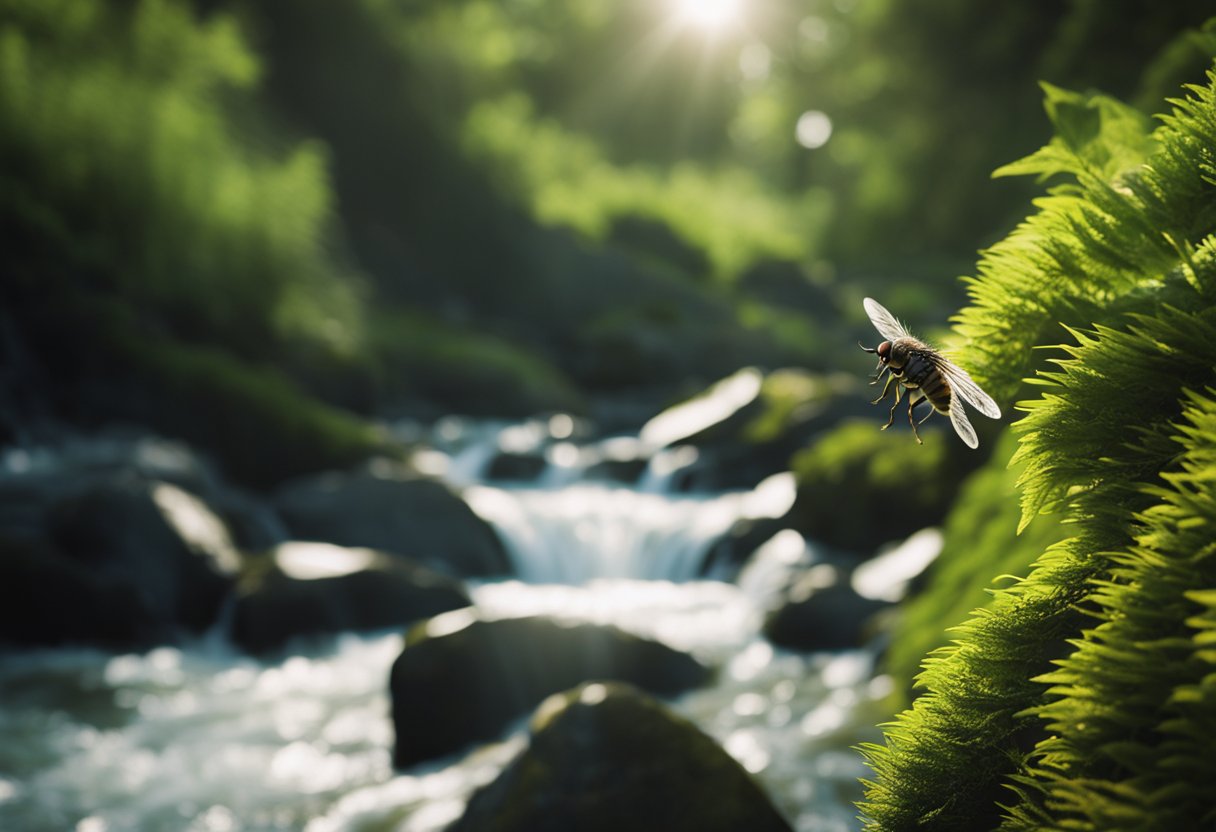
When fishing mountain streams, I rely on small, lightweight flies that imitate the local insect population. For rivers, I have discovered that larger patterns often work better due to the flowing currents. In still waters like ponds and lakes, I look for flies that can create a natural presentation to entice wary fish.
This blog post will explore the best fly flies for different fishing environments, giving you actionable tips to enhance your fly box. No matter where you plan to cast your line this summer, I've got you covered with essential patterns to maximize your success while fly fishing.
Fundamentals of Fly Selection for Summer Fishing
When selecting flies for summer fishing, I focus on the timing of insect hatches and the specific types of flies that will best imitate these insects. Understanding these fundamentals is key to increasing success on the water.
Significance of Hatch Timing and Insect Imitation
Timing is crucial. Many fish species actively feed during specific hatches, such as the caddis or stonefly. I pay close attention to which insects are prevalent in my fishing area at any given time.
By matching my flies to these hatches, I improve my chances of enticing strikes. I often observe the water for surface activity and identify the insects present. For example, during a caddis hatch, I utilize dry flies that closely resemble their adult forms. This connection between timing and imitation is fundamental.
Decoding the Types of Flies: Dry Flies, Nymphs, and Streamers
Understanding the different types of flies enhances my fishing strategy. Dry flies are used to imitate adult insects. I often select patterns that mimic specific hatches.
Nymphs represent the immature stages of insects found underwater. I frequently employ nymphs when fish are less likely to surface. A well-timed drift can yield significant results.
Streamers serve as a dynamic option, imitating baitfish or other swimming prey. I often use these in rivers and lakes during the warmer months when fish are more aggressive. Each type of fly has its purpose, and knowing when to use them is essential for success.
Fly Fishing Techniques and Flies for Specific Environments
When fishing in various environments, the choice of flies and techniques can significantly impact success. Understanding the unique characteristics of each location allows me to select the most effective approach for catching fish.
Selecting Flies for Mountain Streams and Their Unique Ecosystem
In mountain streams, I prioritize flies that mimic the abundant natural insect life. The elk hair caddis works well during the summer months, as it resembles various caddisfly species. This pattern floats well on the surface, making it ideal for targeting selective trout feeding near the top.
I also find Adams flies useful as they represent a broad range of mayflies. Their versatility in size and color enables me to adapt to different conditions. Additionally, I use PMDs (Pale Morning Duns) when mayflies are hatching, particularly in late spring and early summer.
These streams often have fast currents, so I use a sink-tip line to manage the depth of my flies. This ensures I can place my offerings effectively at varying water levels.
Ideal Fly Patterns for River Fishing
When I fish rivers, the focus shifts slightly to more robust patterns that can withstand currents. The hopper pattern is a staple for summer fishing, especially as grasshoppers become more active. It allows for exciting surface strikes and entices both trout and bass.
In addition, I employ various caddis patterns, which are effective during hatches. These flies may be fished in tandem with attractor patterns to stimulate interest. I often combine them with a nymph rig for sub-surface fishing, which increases my chances of hooking fish that are not actively rising.
I also adjust my casting technique in rivers, using longer drifts to allow my flies to flow naturally with the current. This technique mimics the erratic movement of struggling insects, which can be irresistible to predatory fish.
Pond and Lake Strategies: Selecting Suitable Flies
In still waters like ponds and lakes, I opt for patterns that imitate local forage. Beetles often provide excellent action during the warmer months, as they fall into the water from overhanging vegetation. I use them to target cruising trout.
Another effective pattern includes the elk hair caddis, which serves well in both rivers and still waters. I tailor my retrieve speed to match the fish’s activity level. A slow, deliberate retrieve often works best when fish are less active.
Here, I also consider using a floating line, allowing me to target fish that are feeding near the surface. Late evening is a prime time for fishing, as insects become more abundant, leading to increased feeding activity.
Advanced Tactics and Pattern Variations
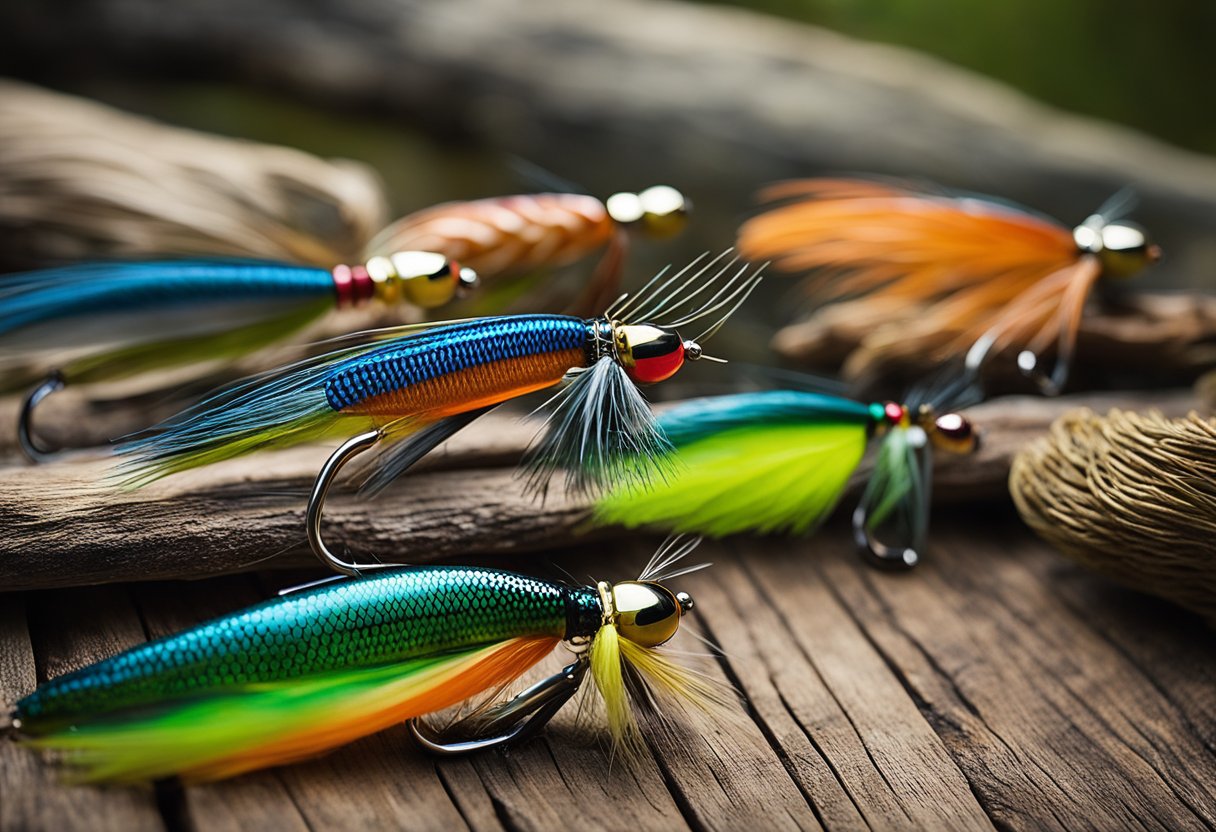
I utilize specific tactics and a range of fly patterns to enhance my fishing success. Understanding how to match the hatch and effectively present my flies can lead to more productive outings.
Innovative Strategies for Eliciting Strikes from Selective Trout
Selective trout can be challenging to catch, especially when they are feeding on specific insects. To increase my chances, I focus on matching the exact size and color of the natural flies present in the water.
In high-pressure areas, I often employ down-sizing my flies for more subtle presentations. For example, using a Zebra Midge in small sizes during midge hatches can yield excellent results.
Additionally, I find that using longer leaders helps to ensure a more delicate presentation. A leader length of 9 to 12 feet allows my flies to drift more naturally. I also watch for feeding lanes, making targeted casts to those areas where trout are most likely to be feeding.
Exploring a Variety of Flies: From Royal Wulff to Zebra Midge
I often rotate between various fly patterns to determine what works best in different conditions. The Royal Wulff is one of my go-to dry flies, effective for its buoyancy and visibility on the water. It mimics both mayflies and stoneflies, allowing for versatility.
In slower water, I switch to nymphs like the Caddis Pupa or Zug Bug to simulate insects drifting below the surface. For a more active approach, the Woolly Worm or Muddler Minnow works well in attracting aggressive fish.
Utilizing stimulators can also be effective, as they can mimic a variety of insects and provoke aggressive strikes. By keeping a variety of flies in my tackle box, I can adapt to changing conditions and increase my likelihood of success.