Flies: The Ultimate Guide to the Best Artificial and Handmade Fishing Flies
As an avid fly fisherman, I understand the crucial role that selecting the right flies plays in a successful outing. The best flies for fishing not only mimic natural insects but also adapt to varying water conditions and fish preferences. From artificial creations that entice even the most discerning fish to handmade flies crafted with precision, the diversity in fly options can overwhelm newcomers and seasoned anglers alike.
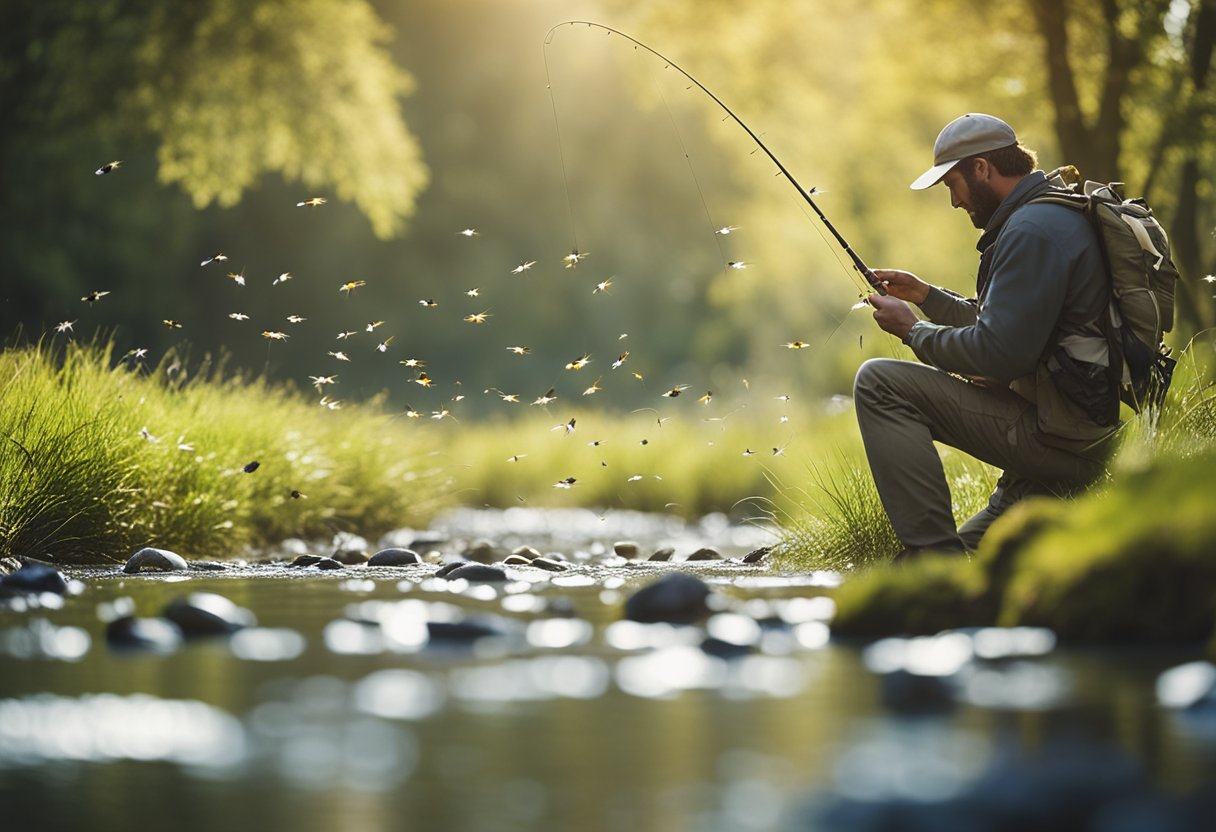
I've spent countless hours exploring the world of flies for fly fishing, discovering the nuances that differentiate each type. Whether I am thriving on a serene lake or navigating a fast-moving river, having the right selection of flies has proven essential. This post will guide you through the best choices available, helping you to enhance your fly fishing experience and connect more deeply with the art of the sport.
Understanding Flies
Flies are essential tools in fly fishing, mimicking the natural prey of fish. I focus on two main categories: the fundamentals of fly fishing and the different types of artificial flies available.
Fly Fishing Basics
In fly fishing, the fly serves as bait, imitating the insects and creatures that fish naturally prey on. I pay attention to various aspects such as size, shape, and color when choosing a fly.
Key components include:
- Fly Types: Dry flies float on the surface, while nymphs sink below. Streamers resemble minnows and other small fish.
- Casting Techniques: I refine my casting technique to ensure accurate placement and presentation of the fly.
- Weather and Conditions: Understanding how weather and conditions affect fish behavior is fundamental.
The more I learn about the natural environment, the better my chances of success.
Artificial Fishing Flies
Artificial flies are crafted to replicate specific insects or baitfish. I explore two primary types: mass-produced and handmade flies.
Mass-produced flies are often cost-effective and widely available. They may not be as custom-tailored as handmade options but serve various fishing conditions.
Handmade flies allow for greater personalization. When I tie my own flies, I can choose materials and patterns that match local fish species and their seasonal diet. Common materials include feathers, fur, and synthetic fibers.
The quality of materials directly affects performance in the water. Choosing the right artificial fly is a skill I continuously develop to enhance my fishing experience.
Selection of Flies
Choosing the right flies is crucial for a successful fishing experience. I focus on specific patterns and materials that align with the type of fish I aim to catch and the environmental conditions.
Best Flies for Fishing
When selecting flies, I consider several effective patterns that consistently attract fish. Here are some of my go-to choices:
- Dry Flies: Patterns like the Adams or Elk Hair Caddis mimic insects on the water surface.
- Nymphs: The Pheasant Tail and Hare’s Ear nymphs are favored for submerged fishing.
- Streamers: Woolly Buggers and Clouser Minnows are effective for predatory fish.
Understanding local fish species helps me choose the right size and color. Seasonal variations also play a role, so adjusting my fly selection based on insect hatches can lead to better results.
Handmade Fishing Flies
Handmade flies provide unique advantages in fishing. I appreciate the craftsmanship that goes into each fly, often leading to better fish attraction.
Creating my own flies allows me to personalize patterns. I can select specific materials such as:
- Natural Fibers: Using feathers, fur, and beads for realism.
- Synthetic Materials: Incorporating rubber legs or flash materials to enhance visibility.
I also enjoy experimenting with variations on classic patterns to suit local conditions. Handmade flies can be tailored for color, size, and action, giving me a competitive edge on the water.
Fly Crafting Techniques
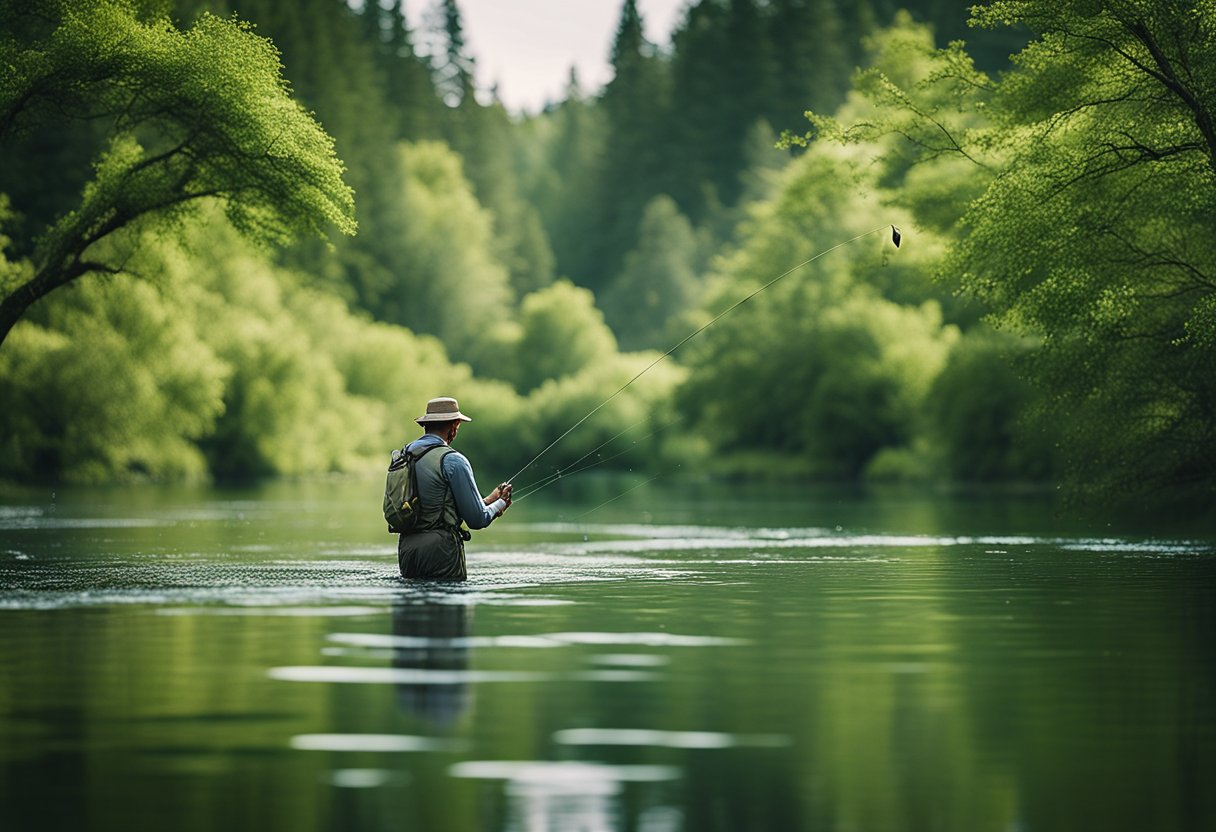
When crafting flies, I focus on several key techniques to enhance both appearance and effectiveness.
Materials Selection
Choosing the right materials is crucial. I often use:
- Hooks: Varying sizes and styles for different species
- Thread: Strong and thin for durability
- Dubbing: Textured materials for body shape
Wrapping Techniques
Proper wrapping techniques ensure that materials are secure. I prefer using:
- Body Wrap: Smooth and even for a streamlined appearance
- Wing and Hackle: Careful wraps that allow for movement
Finishing Touches
Finishing a fly is as important as the construction. I use:
- Head Cement: To secure the thread and prevent unraveling
- UV Resin: For added durability and a polished look
Paying attention to proportions is essential. I strive for balance between hook size and material volumes to create lifelike flies.
Experimenting with colors and patterns can yield better results. I often vary my designs based on water conditions and target species.
By practicing these techniques, I consistently improve my fly crafting skills. The combination of quality materials, precise wrapping, and meticulous finishing contributes to more effective flies on the water.