Fly Line: Essential Gear and Maintenance Tips for Optimal Performance in Fly Fishing
As an avid fly fisher, I'm always on the lookout for the best gear to enhance my experience on the water. A high-quality running line is essential for precision and performance in fly fishing, making it a crucial component of any angler's toolkit. In this post, I will explore various running line options, highlighting the features that set them apart.
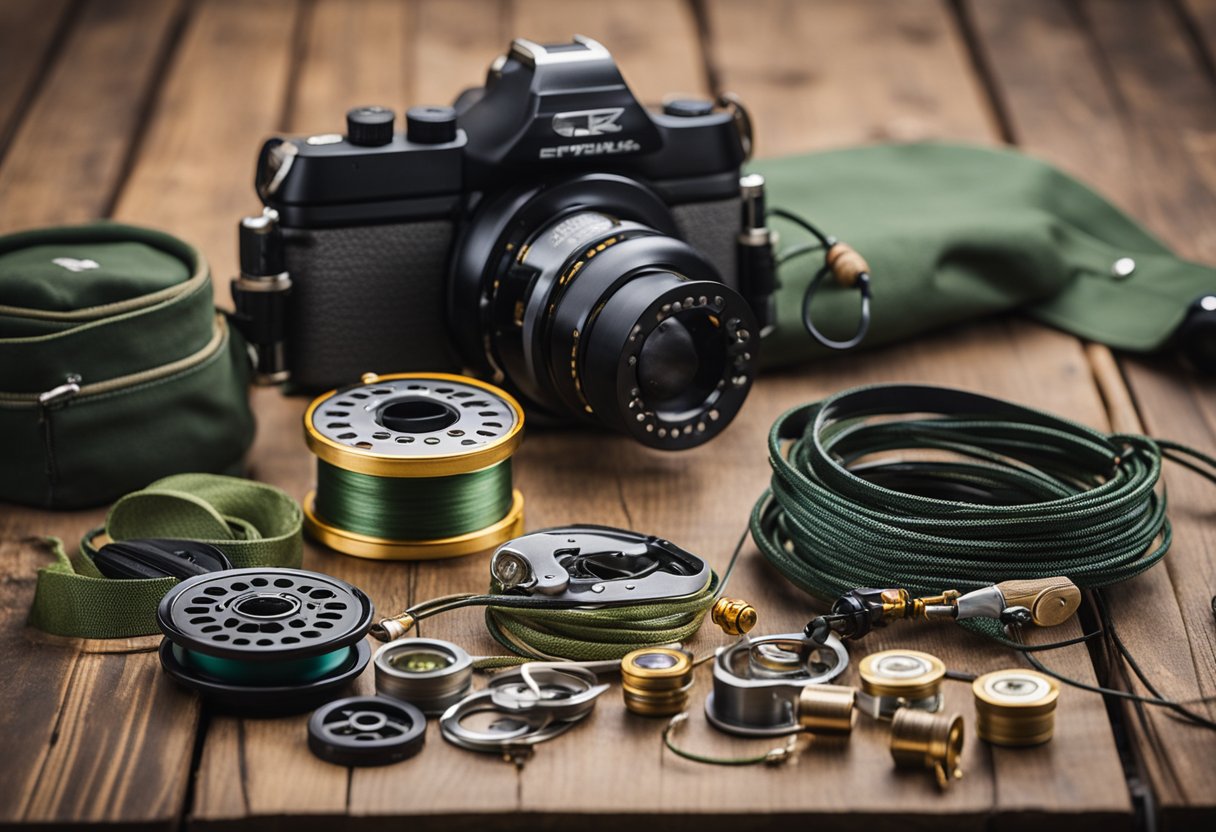
I'll share my experiences with different fly fishing equipment and how they can affect your casting and retrieval techniques. From monofilament to specialized running lines, each type offers unique benefits that can help you refine your skills.
Maintenance is another key aspect of maximizing the life and performance of your running line. I will provide practical tips to keep your gear in top shape, ensuring that you can focus on what matters most—landing your next big catch.
Fly Line Fundamentals
In my experience with fly fishing, understanding fly line is essential for success on the water. The performance of my setup relies heavily on the type of fly line used and its components.
Components of a Fly Line
A fly line typically consists of three key components: the head, belly, and tip. The head is the front portion, designed to carry the weight for casting. It transitions into the belly, where the diameter often increases, allowing for better line control. The tip section is the part that connects to the leader and the fly.
Tapers in fly lines play a crucial role in casting. The front taper helps with delicate presentations, and the rear taper aids in the line's ability to mend on the water’s surface. Each section contributes to the line's overall performance and affects how it behaves during different casting techniques.
Fly Line Types and Uses
I often choose between several types of fly lines depending on the fishing conditions. Floating lines stay on the surface, enabling dry fly fishing and presentations that require the fly to stay buoyant. Conversely, full sinking lines submerge, making them ideal for targeting fish at varying depths.
Intermediate lines are a middle ground, sinking slowly and perfect for specific conditions where I want to fish just below the surface. Additionally, a level fly line is less common, offering a consistent diameter through its length, which can be useful for particular casting styles and techniques.
Each type of line has specific uses, and knowing when to select one over another is vital for effective fishing.
Running Line Equipment and Reviews
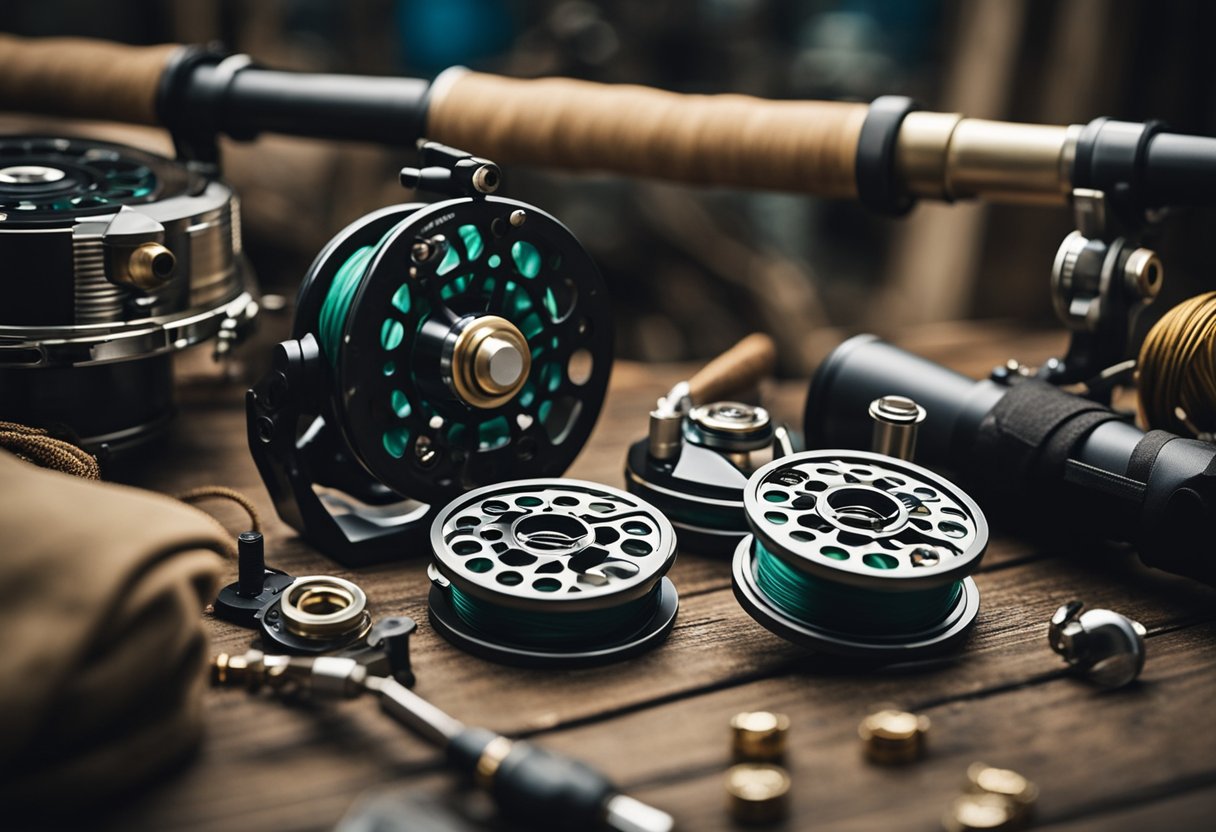
Selecting the right running line can significantly enhance my fly fishing experience. I'll cover essential factors to consider when choosing running line gear and provide detailed reviews of notable products on the market.
Choosing the Right Running Line
When I select a running line, I assess several critical factors. The first is the material; options like nylon and polyester each offer different strengths and flexibilities. I also consider the diameter—thinner lines are less visible but can affect casting distance.
Weight is crucial; I prefer a line that matches my fly rod for optimal performance. For fishing in varying conditions, I may choose a line with low memory for ease of casting and fewer tangles. Brands like Rio and Scientific Anglers offer lines specifically designed for distance casting, which can be an advantage in open water.
Running Line Gear Reviews
I found several remarkable running lines that cater to different fishing styles.
-
Rio Gold Running Line: Known for its smooth casting and low stretch, this line responds well in varied conditions, making it a favorite for many anglers.
-
Sage Streamline: This gear offers minimal drag and excellent delivery accuracy. Sage's commitment to customer service enhances my confidence in their products.
-
Airflo Super Dri: With its unique texture, this line floats exceptionally well. It provides excellent handling and is backed by solid reviews from other fishermen.
-
Scientific Anglers Mastery: This line is versatile and durable. It boasts great performance in distance casting, making it suitable for both freshwater and saltwater applications.
Through my experience, these running lines showcase how quality gear can influence my success while fly fishing.
Maintenance and Care Tips
Proper care and maintenance of running lines is essential for ensuring optimal performance in fly fishing. By following specific cleaning procedures and repair techniques, I can significantly extend the life of my fishing lines.
Cleaning and Storage
To maintain my running line, I start by rinsing it with fresh water after each fishing trip. This removes salt, dirt, and debris that can damage the line. I use a soft cloth to wipe any residue off the surface.
When it's dry, I store my line properly. I avoid leaving it in direct sunlight or extreme temperatures, as this can weaken the material. Using a line spool helps keep it organized and free from tangles. I also inspect the line regularly for signs of wear and tear.
Line Repair Techniques
If I notice nicks or breaks in my running line, quick repairs are vital. For minor damages, I often use a simple nail knot to reattach sections or add new line. This method creates a strong, reliable connection.
For more serious issues, I consider replacing the damaged section altogether. Keeping a repair kit handy ensures I can address any issues on the water. It’s important to check the integrity of any knots regularly because weak points can lead to line failure during a catch.
Advanced Fly Fishing Techniques
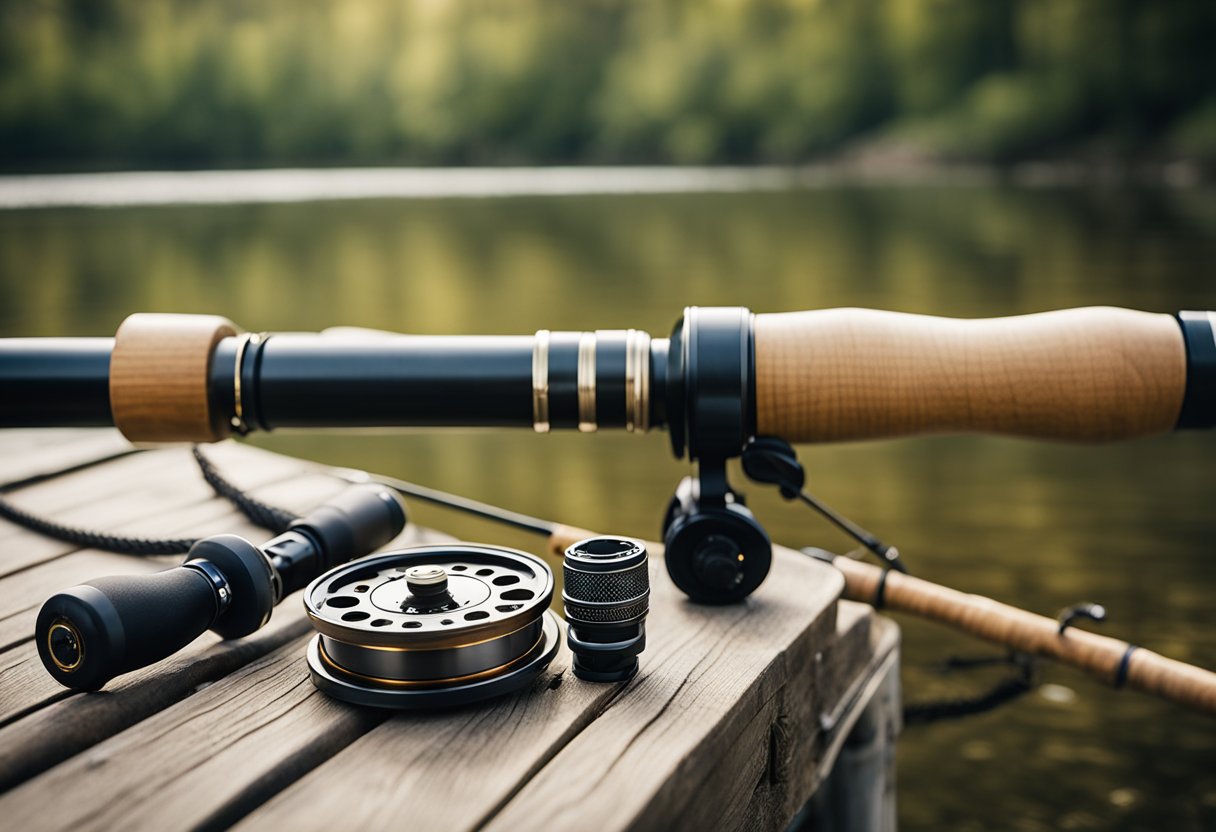
Mastering advanced techniques can significantly enhance my fly fishing experience. I focus on refining my casting skills and applying specialized methods tailored to specific fishing environments.
Mastering Casting Techniques
Precision in casting is crucial for effective fly fishing. I emphasize two primary techniques: distance casting and delicate presentation.
-
Distance casting allows me to cover larger bodies of water, ideal for targeting species like bonefish and permit. I use a shooting head system, which combines a heavier front taper with a running line for launching my fly farther.
-
Delicate presentation is essential when fishing with dry flies or streamers. I rely on a well-balanced tapered leader to ensure my casts land softly on the water's surface. This reduces disturbances, increasing the chances of attracting fish.
Practicing false casting helps fine-tune my timing and accuracy, enabling me to adjust the distance as needed.
Specialized Applications
In different fishing environments, I adapt my techniques to improve my success rates. In river fishing, for example, I focus on level lines to ensure the fly sinks quickly while still maintaining a natural presentation.
When targeting specific species, such as bonefish, I select my flies based on water conditions and time of day.
- For cloudy conditions, I may opt for brighter colors to stand out.
- During clearer times, more natural hues often perform better.
Adapting my approach based on the fish behavior and environmental cues allows me to maximize my catch potential, making every outing more rewarding.