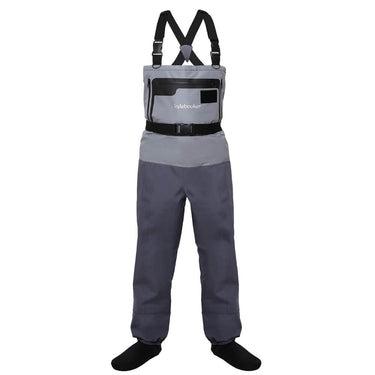
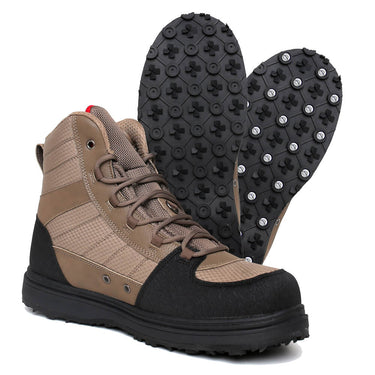
Waders: Choosing the Best for Deep Water Fishing and Rocky Streams
When it comes to fishing, selecting the right waders can significantly enhance the experience. The best waders for deep water fishing provide comfort, durability, and breathability, ensuring I stay dry and focused on the catch. Whether I'm navigating through rocky streams or standing in the middle of a river, the right pair can make all the difference.
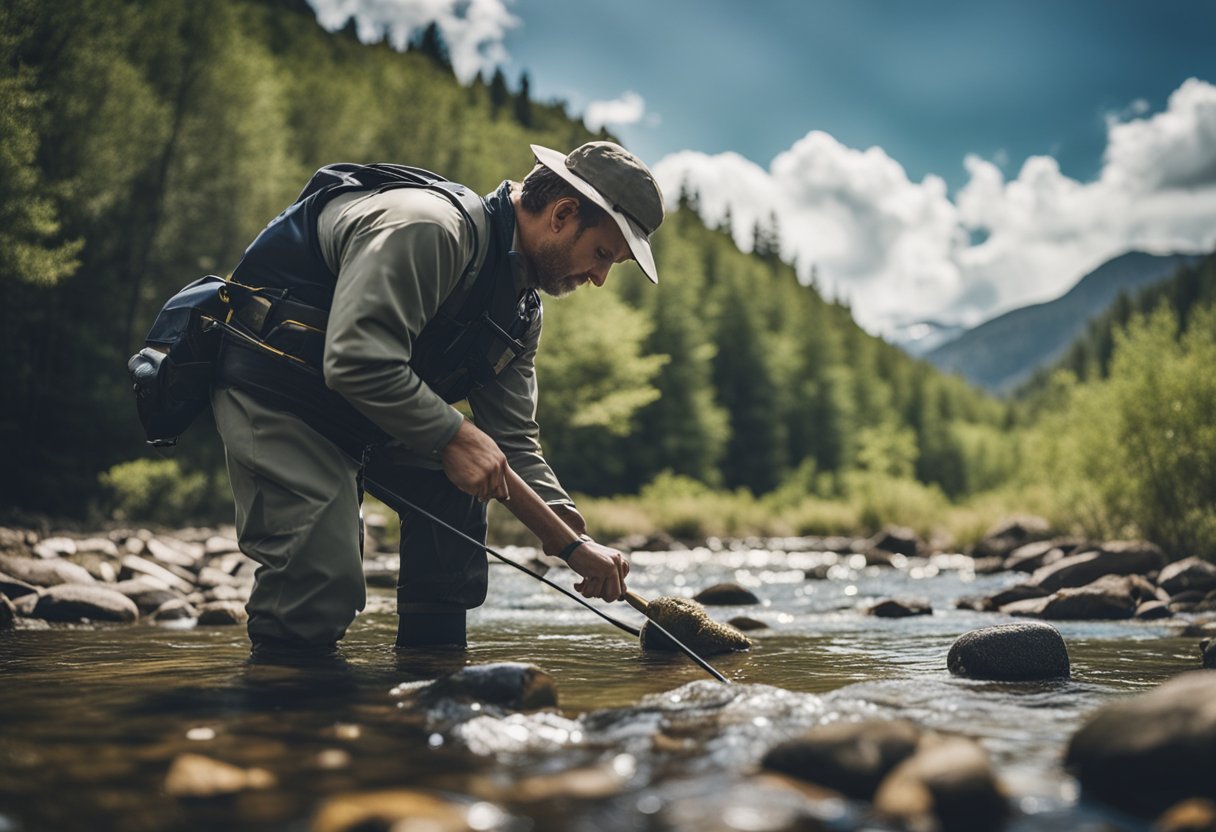
I have found that investing in durable waders pays off, especially when fishing in challenging conditions. Cheap waders that last long can be a game changer for those who are budget-conscious yet still want reliable performance. Proper wader maintenance and care are essential to extending their lifespan, making it a topic worth exploring further.
From insulation for chillier days to lightweight options for warmer excursions, knowing the features to look for can help me choose the right gear. Understanding comfort, breathability, and fit is crucial for maximizing my fishing adventures and ensuring I can stay out on the water for hours.
Choosing the Right Waders
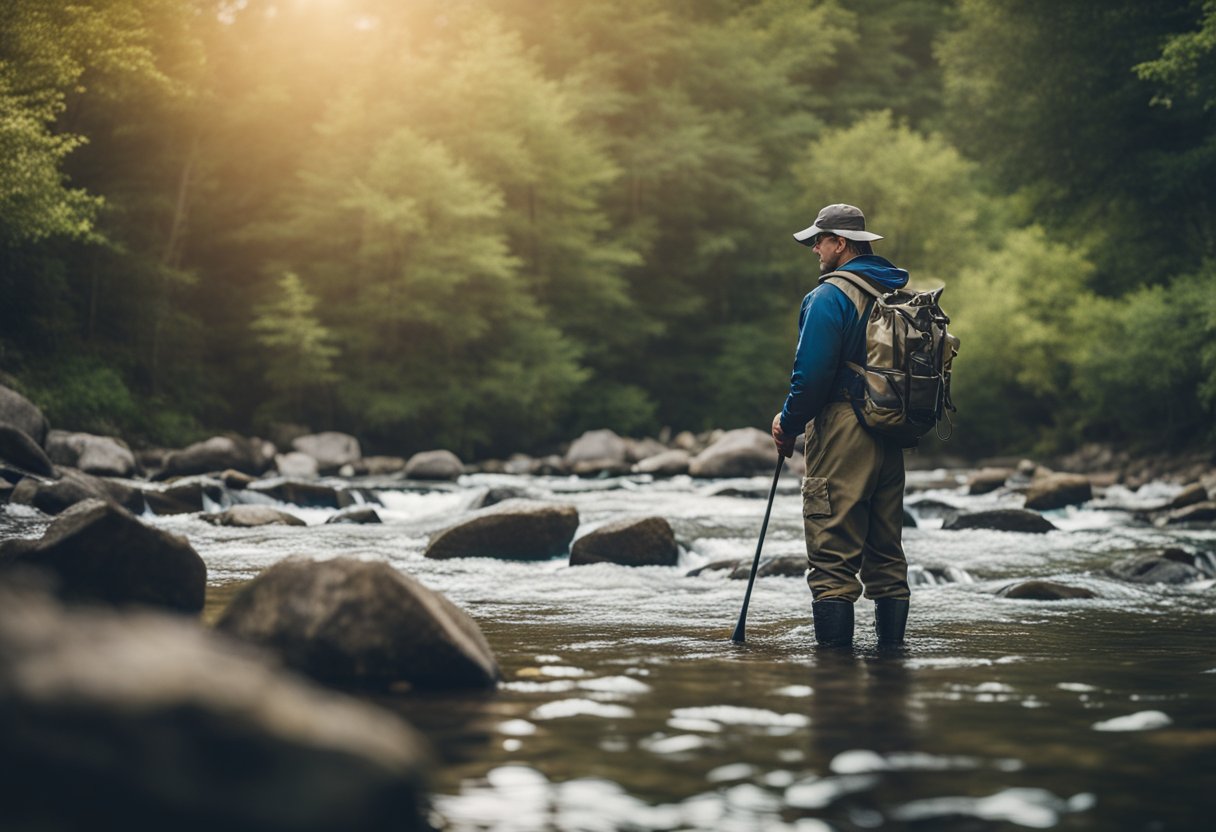
Selecting the appropriate waders can significantly enhance your fishing experience. I focus on factors like water depth, terrain, material, and comfort to identify the best options for various conditions.
Best Waders for Deep Water Fishing
When fishing in deep waters, I prioritize waders that offer both buoyancy and durability. Chest waders made from neoprene are often my choice for cold waters, providing insulation and a secure fit.
Breathable waders are also valuable in warmer conditions, allowing moisture to escape while keeping water out. These waders often come with reinforced neoprene at pressure points to ensure resilience against sharp objects. Adjustable straps are essential for achieving a snug fit, reducing water entry as I move in deep waters.
Durable Waders for Rocky Streams
In rocky stream environments, ruggedness is crucial. I look for waist-high or hip waders that allow for mobility while providing adequate protection. Thick material, such as reinforced nylon, helps guard against abrasions.
Stockingfoot waders with integrated booties are beneficial for rocky terrains because they provide a snug fit with wading boots. Comfort is key; thus, a good fit minimizes chafing during long hours in the water.
Cost-Effective Durable Waders
Affordability doesn’t mean compromising on quality. I often research budget-friendly options made from durable materials. Many brands offer neoprene waders at reasonable prices that are both insulated and sturdy.
I also find that investing in breathable waders can save money in the long run as they tend to last longer due to lower levels of wear and tear from moisture. Always check reviews on comfort and durability to ensure the waders provide excellent value.
Types of Waders: Hip, Chest, and Waist-High
Choosing the right type of wader depends on your fishing style and environment. Chest waders offer the best waterproof protection for deeper waters, while hip waders are suitable for shallow streams and ponds.
Waist-high waders strike a balance, providing comfort while allowing flexibility in movement. I’ve noticed that with stockingfoot waders, selecting compatible boots ensures a secure fit, which enhances stability on uneven terrain. Each type has its purpose, and I recommend considering the fishing conditions and personal comfort when making a choice.
Wader Features and Technologies
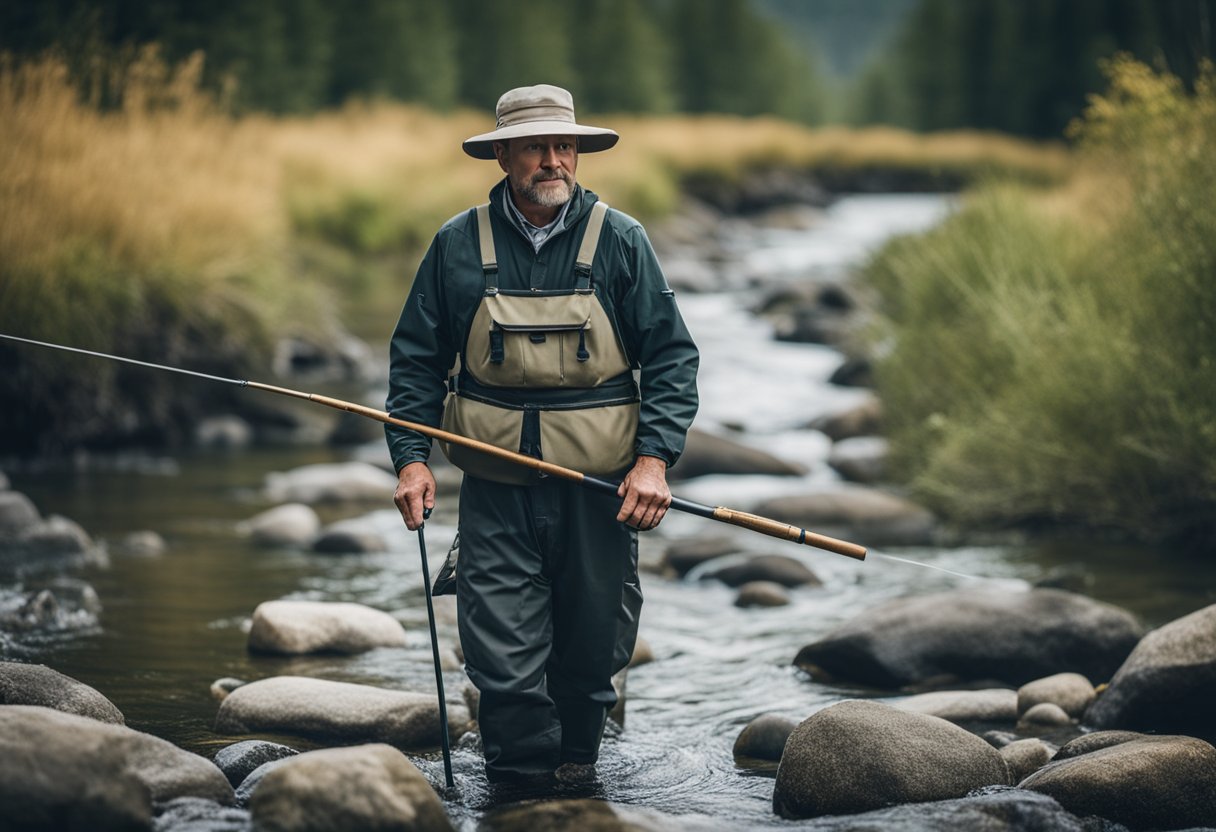
Waders are designed with various features and technologies that enhance durability, comfort, and functionality. Understanding these aspects helps in choosing the right waders for specific fishing environments.
Wader Construction and Materials
The materials used in waders significantly affect their performance and durability. Common materials include nylon and neoprene, known for their resilience and water resistance.
Durability is key, especially when fishing in rocky streams. Look for reinforced seams and high denier fabrics to withstand wear and tear.
Layering is also important; breathable membranes allow moisture to escape while keeping water out. This ensures comfort during long fishing trips.
Durable construction methods, such as double-stitched seams, contribute to longer-lasting use, making it essential to consider these factors in your selection.
Footwear Considerations for Waders
Footwear compatibility with waders is crucial for stability and safety in various terrains. Wading boots come in two main types: felt soles and rubber soles.
Felt soles offer superior traction on slippery rocks, making them ideal for stream fishing. On the other hand, rubber soles provide better grip on muddy surfaces and are easier to clean.
When selecting boots, ensure a proper fit for comfort and support, especially for long periods of use. A wading belt is often recommended to prevent water from entering your waders in case of a fall.
Wader Accessories for Improved Functionality
To enhance the fishing experience, several accessories are available for waders. Wader accessories include pockets for gear storage, which help keep essential items organized and easily accessible.
Repair kits are also beneficial, allowing quick fixes to punctures or tears while on the water.
Consider purchasing tippets or reel holsters that attach to your waders for convenience. These accessories improve functionality and ensure that essential tools are at hand when needed, making your fishing experience more efficient.
Wader Maintenance and Care
Maintaining waders is crucial for extending their lifespan and ensuring optimal performance. Proper cleaning, storage, and timely repairs make a significant difference in the durability and functionality of my waders.
Routine Cleaning and Storage
After each use, I clean my waders to prevent dirt and grime buildup. I rinse them with fresh water, especially if they have been exposed to saltwater or muddy conditions. It’s important to pay attention to seams and cuffs, where debris can accumulate.
When storing my waders, I make sure they are completely dry to avoid mold and mildew. I hang them in a cool, dry area away from direct sunlight. If possible, I store them in a breathable bag to protect them from dust while allowing air circulation.
Repairing Waders
Over time, waders can develop leaks or small tears. I inspect them regularly for any visible damage. For minor repairs, I use a patch kit specifically designed for waders, as it bonds well and maintains flexibility.
In case of larger issues, I recommend reaching out to customer service for guidance. Some manufacturers offer repair services, which gives me peace of mind knowing that my investment can be restored. Establishing a routine inspection and repair schedule helps keep my waders in excellent condition.
Waders in Various Applications
Waders serve crucial roles in different environments. Their versatility makes them suitable for activities such as fishing, hunting, and emergency operations.
Waders for Fly Fishing and Search Operations
When selecting waders for fly fishing, I prioritize lightweight materials like GORE-TEX, which provide breathability while maintaining waterproofing. Brands such as Simms and Orvis offer high-quality options, ensuring comfort during long days on the water.
In search and rescue operations, durable waders can be instrumental. They need to withstand rough conditions while offering ease of movement. I recommend models with reinforced knees and plenty of pockets for gear storage. A reliable wader can be the difference in emergencies, making it essential to choose wisely.
Hunting and Animal Rescue Applications
For hunting, waders must provide insulation and camouflage. I often opt for neoprene-lined waders in cold weather, as they keep me warm and dry when traversing wetlands. Brands like Simms also offer options specifically designed for hunting.
In animal rescue, flexibility is key. Waders need to allow movement while being sturdy enough for various terrains. Lightweight, tear-resistant materials are ideal for reaching stranded animals in streams or ponds. Proper fit and functionality are paramount for any rescue operation.