Flies: Top Tactical Nymphs for Trout and Bass Fishing
When it comes to fly fishing, understanding the right flies to use can significantly impact your success on the water. Among the various techniques, nymphing remains a top choice for targeting species like trout and bass. In my experience, selecting effective euro nymphing flies is crucial for maximizing catch rates, especially in diverse aquatic environments.
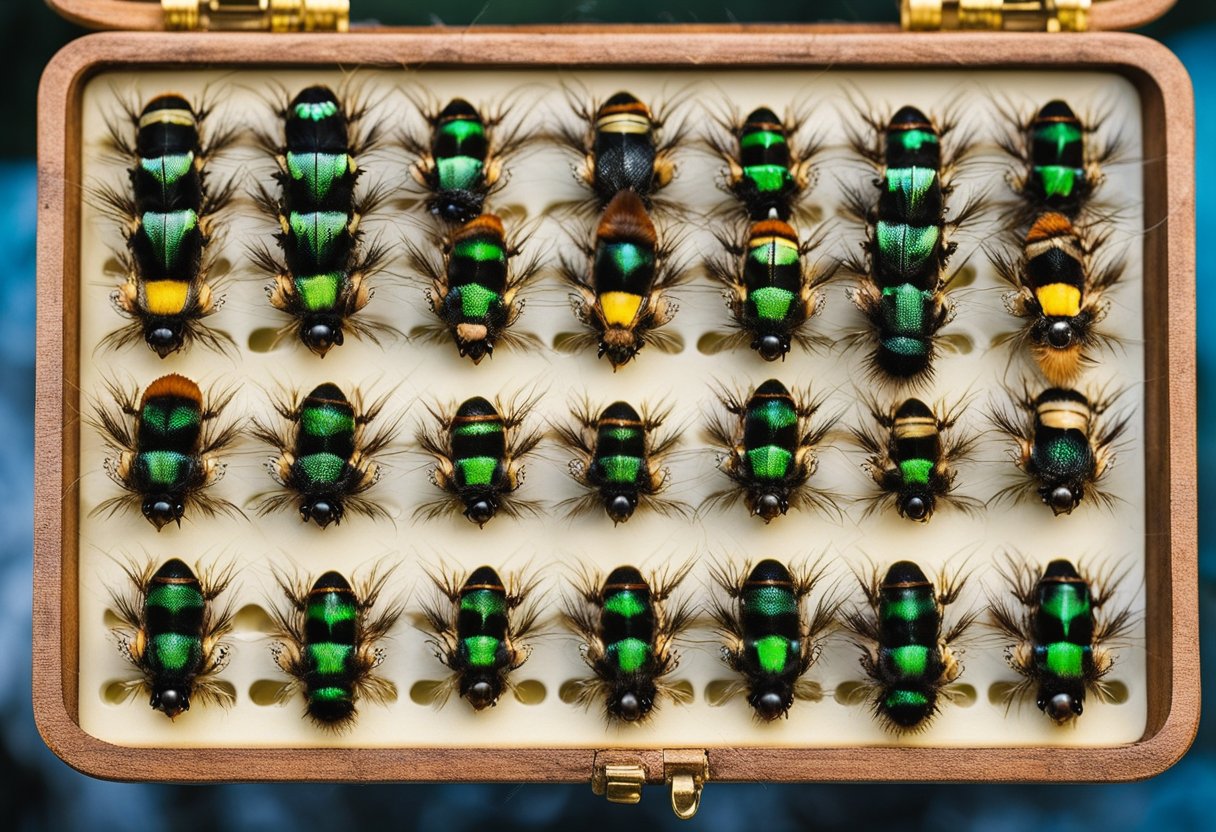
Euro nymphing relies on a set of tactical nymphs designed to mimic the natural movement and appearance of insects found underwater. The best nymphs for trout fishing typically feature slim profiles and subtle color variations, which help them blend into the surroundings. With bass, I’ve found that heavier patterns can be more effective, as they often target larger prey in deeper waters.
By exploring the best nymphs for both trout and bass, I aim to share insights that will enhance your fly fishing experience. Understanding these flies and their applications will not only increase your effectiveness but also deepen your appreciation for the art of nymphing.
Fundamentals of Nymphing in Fly Fishing
Nymphing is a critical technique in fly fishing, characterized by its subtlety and effectiveness. The focus is on presenting flies underwater, where many fish feed. My experience shows that mastering this technique requires specific methods and the right gear.
The Euro Nymphing Technique
The Euro nymphing technique is a highly effective method that emphasizes a direct connection to the fly. This method relies on a long, light rod, typically 10 to 11 feet in length, which enhances sensitivity. The use of a thin leader setup allows for better contact and minimizes drag from the surface.
Typically, I employ a heavy nymph as a point fly with one or more lighter patterns trailing behind it. This approach enhances my chances of catching fish at various depths. Maintaining a tight line is essential for detecting subtle takes, which is why concentrating on the leader's movement can be beneficial.
Essential Gear for Effective Nymphing
When preparing for nymphing, selecting the right gear is paramount. I often use a floating line paired with a suitable leader taper. Tippet sizes typically range from 5x to 7x, depending on water conditions and fish species.
Additionally, a good selection of nymphs is crucial. I prefer patterns like mayflies and caddis emerger nymphs for trout. Having a selection of styles and weights on hand allows me to adapt to changing conditions. Properly weighted flies help achieve the desired depth quickly to target fish strategically.
Tactical Fly Selection for Nymphing
When selecting flies for tactical nymphing, I consider specific factors such as water conditions, target species, and the behavior of local aquatic insects. The right fly can significantly enhance my chances of success on the water.
Euro Nymphing Flies
Euro nymphing emphasizes the use of nymphs that sink quickly and mimic the natural food sources of fish. I focus on flies with slim profiles, such as Zebra Midges and Flashback Pheasant Tails. These patterns use minimal materials, helping them sink rapidly and drift naturally.
Key Features to Consider:
- Weighting: Heavily weighted flies like Beadhead Copper Johns help me maintain contact with the bottom.
- Color and Size: I choose colors that match the prevalent bugs, adjusting sizes to match the local insect population, typically ranging from size 14 to 18.
Top Nymphs for Trout Fishing
For trout, I find that specific nymph patterns work exceptionally well in various conditions. Hares Ear and Stonefly Nymphs are staples in my tackle box. They effectively imitate the natural forage trout seek in rivers and streams.
Best Practices:
- Spot Selection: I focus on riffles and deeper pools where trout are often stationed.
- Presentation: A dead drift presentation is crucial. I ensure my nymphs drift without drag, which can spook fish.
Preferred Nymphs for Bass Fishermen
When targeting bass, I opt for larger and more colorful nymphs to attract interest. Flies such as Bunny Leech and Clouser Minnows perform well, presenting a substantial profile that bass find enticing.
Key Techniques:
- Aggressive Retrieval: I employ a faster, erratic retrieve to provoke strikes.
- Water Temperature Awareness: In warmer months, I prioritize larger nymphs that mimic the aquatic life bass feed on, ensuring I match the prevalent stage of their menu.
By tailoring my fly choices to specific species and conditions, I enhance my tactical nymphing approach, leading to a more successful fishing experience.
Techniques for Mastering Nymph Fishing
In nymph fishing, achieving precise presentations and effective strike detection is essential. I focus on advanced techniques that enhance my ability to control the drift and detect subtle takes.
Advanced Nymphing Strategies
I often employ tight line nymphing, which allows for direct contact with the fly. This method enhances sensitivity, making it easier to detect strikes. I use a short leader and a heavier fly to maintain a straight line.
Another effective strategy is using two nymphs on one line. I usually tie a heavier nymph on the bottom and a lighter one above. This setup helps cover different water columns and increases my chances of enticing fish.
It’s also crucial to vary my presentations based on water conditions. Sometimes, I dead drift the nymphs, while other times, I give them subtle twitches to mimic natural movement.
Strike Detection and Drift Control
Detecting strikes is vital when nymph fishing. I rely on visual cues, like the line's movement or a sudden pause. I also pay attention to the feel of the line. When I sense any abnormality, I set the hook immediately.
Drift control is equally important. I continually adjust my position and control my line to maintain a natural presentation. If the drift is off, I either mend the line or adjust my casting angle.
Maintaining a proper angle and line tension helps in achieving a drag-free drift, which is critical for nymph effectiveness. By practicing these techniques, I increase my success rate significantly.